
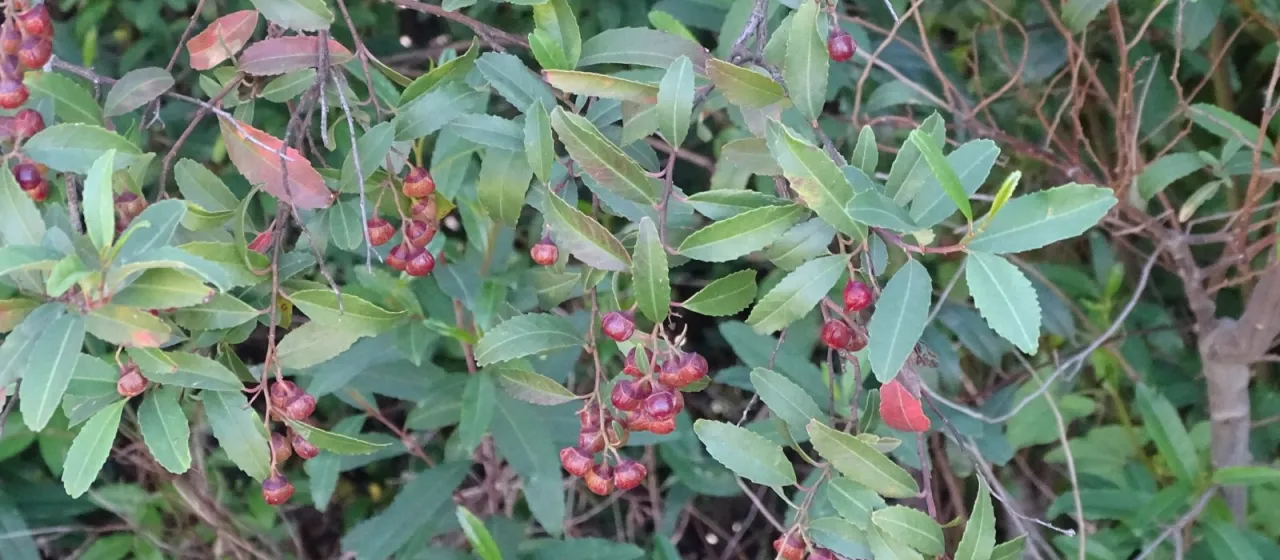
Description
Noltea africana, commonly known as the soap bush, is an evergreen shrub or small tree belonging to the Rhamnaceae family. This species is highly valued in horticulture for its neat, dense habit and year-round lush green foliage, making it a staple in various temperate and subtropical landscape designs.
Native to the southern regions of South Africa, the plant thrives in diverse habitats including forest margins and coastal regions. Its natural adaptability to varying environmental conditions has facilitated its introduction into gardens across the world, where it is appreciated for its resilience and structural beauty.
Botanically, Noltea africana is characterized by simple, alternate, and finely serrated leaves that have a leathery texture. During its blooming period, typically in the spring and summer, the plant produces clusters of small, white star-shaped flowers. The fruit is a small, dry capsule that matures to release seeds, which is common among members of the buckthorn family.
Cultivation requirements involve providing a well-drained soil environment with a neutral to slightly acidic pH. While the shrub displays some drought tolerance once established, consistent irrigation is recommended during the initial growth phase and prolonged dry spells. Pruning is essential to maintain a desired shape and encourage the development of dense, healthy foliage.
In terms of practical utility, it serves as an excellent candidate for hedging, screening, or as a focal shrub in garden beds. While generally robust, gardeners should remain vigilant for common pests such as aphids and scale insects. Maintaining proper soil moisture levels and ensuring adequate air circulation around the canopy helps prevent potential fungal issues related to root health.