
Description
Nomaphila siamensis is a perennial wetland plant belonging to the Acanthaceae family. It is widely recognized in horticultural and aquatic industries for its hardiness and rapid growth rate, making it an excellent candidate for both terrestrial greenhouse cultivation and submerged aquatic environments.
The species originates from the tropical regions of Southeast Asia, specifically Thailand and neighboring areas. In the wild, it thrives in marshy conditions, swampy lowlands, and along riverbanks. Commercial cultivation is primarily conducted in specialized nurseries where precise control over environmental parameters is required to maintain the plant's health and aesthetic properties.
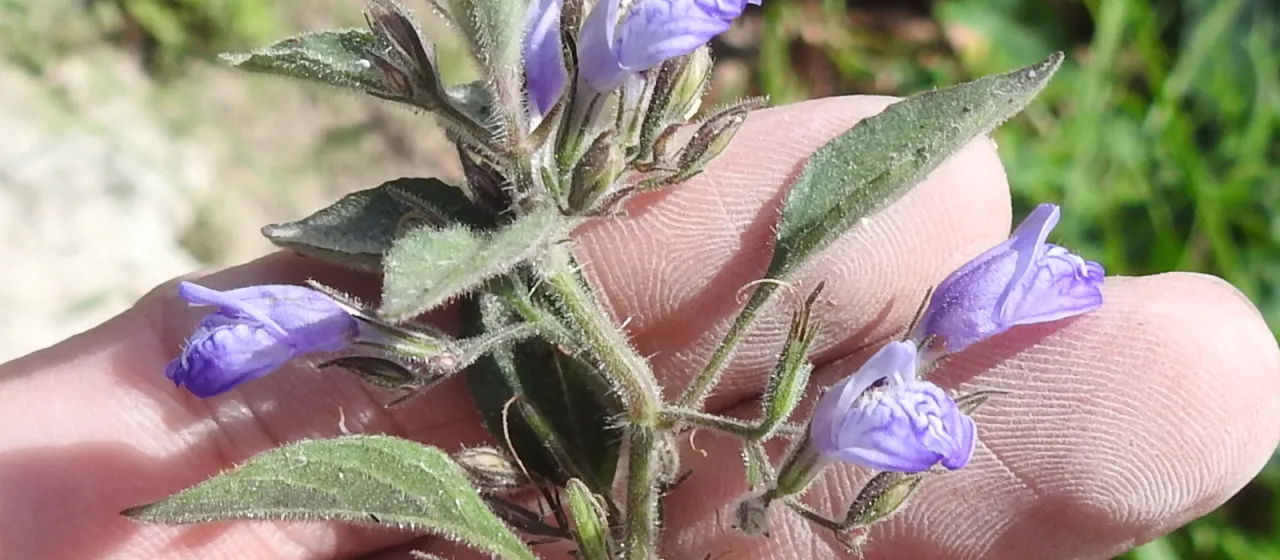
Botanically, Nomaphila siamensis is characterized by an upright stem structure with lanceolate leaves that exhibit prominent venation. The plant's growth habit is vigorous, often requiring frequent pruning to maintain a desired shape. The root system is robust, allowing the plant to uptake nutrients efficiently from the surrounding medium, which is essential for healthy development.
Agrotechnical requirements for this species focus on stable tropical temperatures ranging from 22 to 28 degrees Celsius. It requires nutrient-rich, neutral to slightly acidic soils. When grown in greenhouse conditions, maintaining high atmospheric humidity is crucial to prevent leaf desiccation and promote vigorous photosynthesis. Sufficient light intensity is also necessary to prevent etiolation.
The main economic use of the plant is in the ornamental horticulture sector. It is valued for its rapid biomass production and role in oxygenating water. Typical issues encountered during cultivation include:
- Nutrient deficiencies, specifically iron, leading to leaf chlorosis.
- Root rot caused by stagnant water or poor soil aeration.
- Pest infestations, such as spider mites, in low-humidity environments.
- Algal competition in aquatic settings if lighting exceeds plant uptake capacity.