
Description
Notelaea excelsa is an evergreen tree or large shrub belonging to the Oleaceae family. This species is an endemic plant native to the Macaronesian region, particularly known for its slow growth rate and high adaptability to specific island microclimates.
The origin of this species is tied to the laurel forests of the Canary Islands. Due to habitat degradation and environmental shifts, the plant has become a subject of conservation efforts. Its natural habitat provides it with the mild, humid, and stable conditions necessary for its long life cycle.
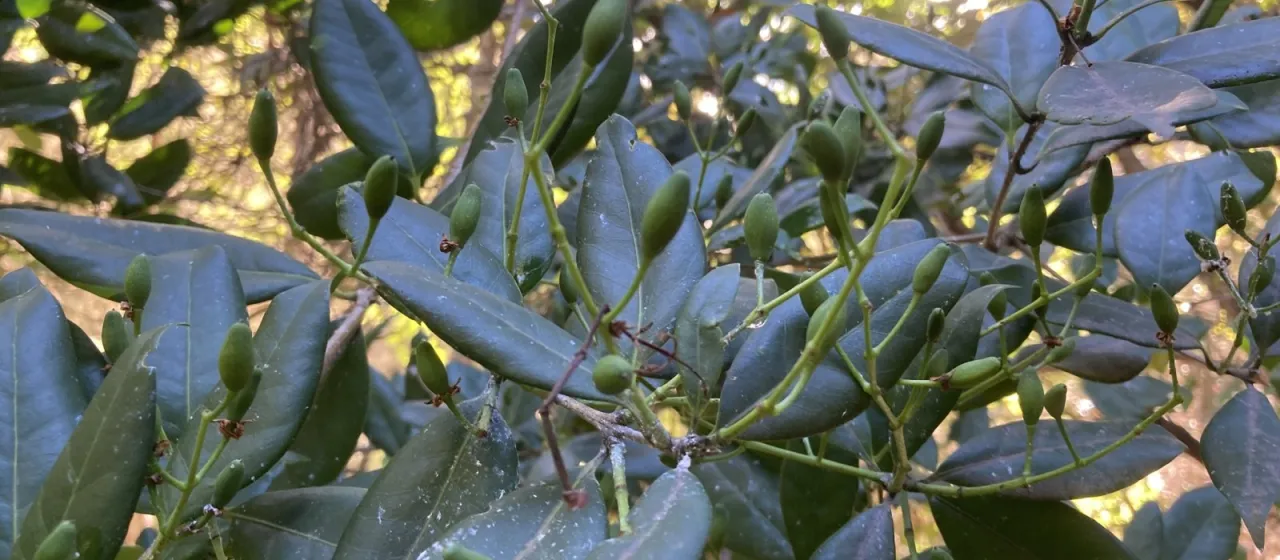
Botanically, Notelaea excelsa is characterized by its stiff, leathery, dark green leaves arranged in opposite pairs. The flowers are generally small and inconspicuous, appearing in axillary racemes. The plant produces drupe-like fruits that serve as a source of nutrition for endemic bird species within its habitat.
Cultivation requirements involve mimicking its natural subtropical environment. The plant thrives in well-drained, nutrient-rich soils with a slightly acidic to neutral pH. It requires consistent but not excessive moisture and should be sheltered from direct, harsh sunlight and freezing temperatures to ensure optimal leaf development and overall tree health.
Historically, the wood of Notelaea excelsa was highly regarded for its density and durability, often used in craftsmanship. Today, its utility is focused on botanical research and ornamental planting in regions that share similar climatic characteristics. It is considered a significant part of the botanical heritage of the Canary Islands.
Common pests and diseases include root rot, which typically occurs due to overwatering or poor soil drainage. Pest outbreaks, such as scale insects or spider mites, can occur in indoor or greenhouse settings where air circulation is restricted. Monitoring the humidity levels and ensuring proper ventilation is essential for preventing these infestations.