
Description
Nuphar advena, commonly known as spatterdock or yellow cow-lily, is a robust aquatic perennial belonging to the Nymphaeaceae family. It is widely recognized for its ecological importance and its suitability for deep-water gardening, providing both aesthetic appeal and a functional habitat for aquatic life.
Native to North America, Nuphar advena thrives in a wide range of climates from temperate zones to humid subtropical areas. It is naturally found in marshes, slow-moving rivers, and shallow ponds. Its extensive natural range is a testament to its hardiness and ability to thrive in diverse water chemistry, making it a reliable choice for managed wetlands.
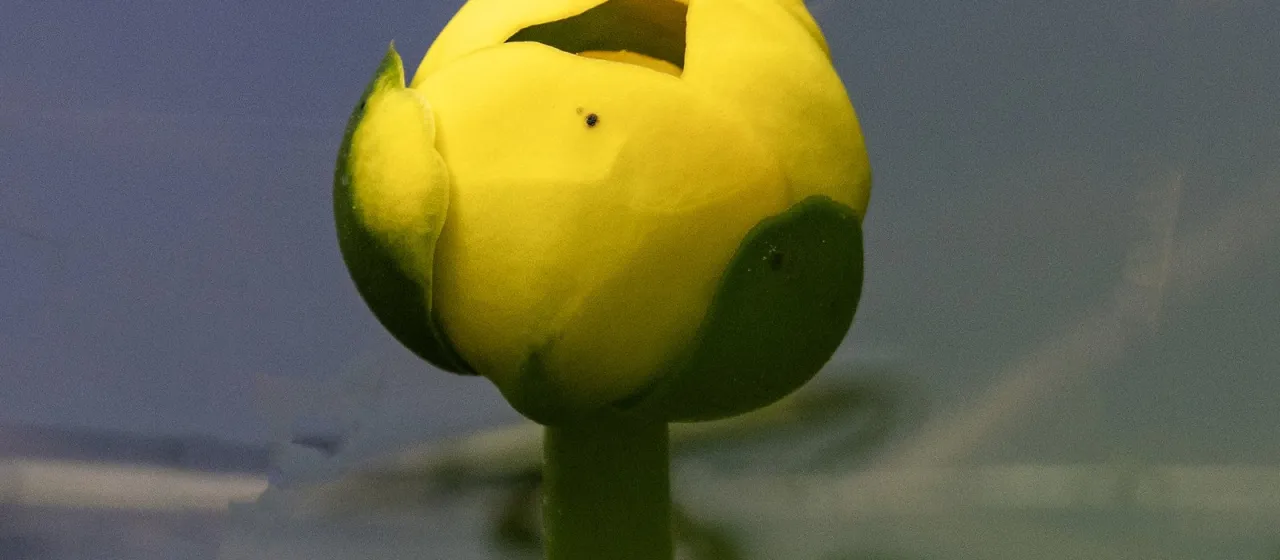
Botanically, this species is characterized by its large, thick rhizomes that anchor it firmly in the substrate. The foliage consists of broadly ovate leaves that can be either submerged or emergent, depending on water depth. The iconic yellow flowers are somewhat globular in shape, and unlike some other species in the family, the sepals remain prominent while the true petals are small and scale-like.
Cultivation requirements involve high-nutrient, muddy substrates and exposure to full sun or partial shade. When introducing Nuphar advena to a pond, it is advisable to plant it in large containers if the intention is to control its rapid spread. It performs best in water depths of 30 to 100 cm, where the crown of the plant can be submerged while the leaf petioles reach the surface.
- Regular thinning of plants to maintain water quality.
- Planting in rich organic loamy soils for optimal nutrient intake.
- Removing dead or rotting vegetation to prevent nitrogen spikes.
- Monitoring the water for algal blooms caused by nutrient leakage.
The primary use of Nuphar advena is in water feature design and bio-filtration systems for water quality management. It is generally resistant to many pests, though water lilies beetles can occasionally damage the leaves. Root rot is a potential issue if the rhizomes are damaged during planting or if the water becomes overly stagnant and devoid of oxygen for extended periods.