
Description
Nuxia floribunda, commonly known as the forest elder, is a distinct evergreen tree belonging to the Stilbaceae family. Recognized for its graceful, rounded canopy and vigorous growth, it serves as a prominent botanical feature in both wild forests and managed horticultural spaces. Its elegant stature makes it a popular choice for large-scale landscaping and native garden projects.
The species is native to the forests of Southern and Eastern Africa. It typically inhabits moist forest margins and mountainous regions, where it thrives in rich, humus-filled soils. This ecological background dictates its preference for sheltered spots that provide protection against extreme winds, while maintaining a steady supply of moisture throughout the year.
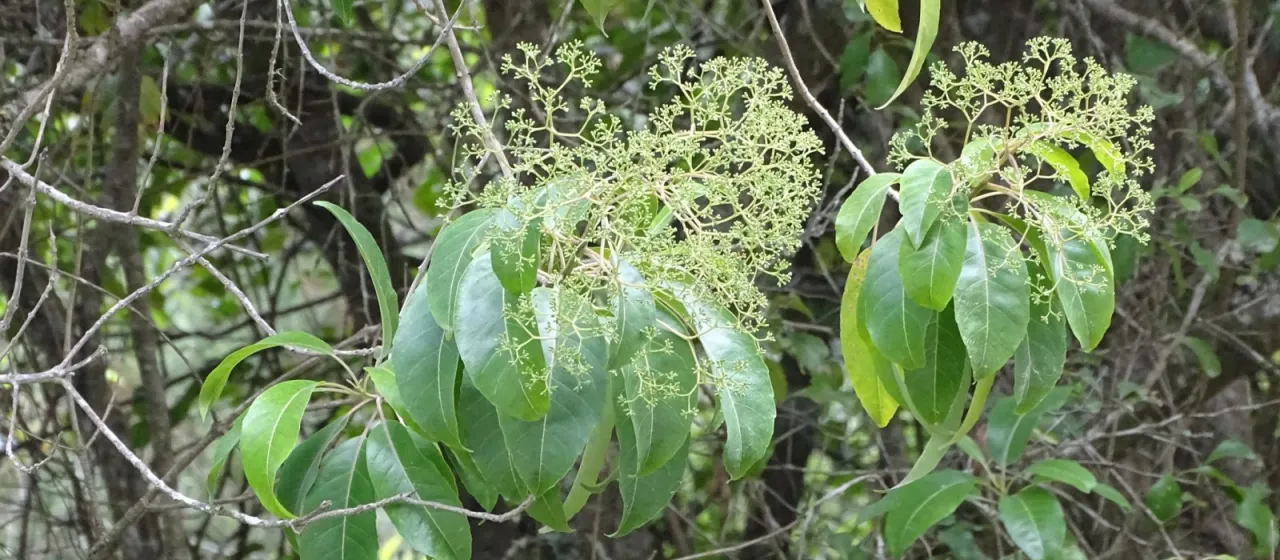
Botanically, Nuxia floribunda is characterized by its glossy, elliptical leaves arranged in whorls along the branches. The most striking feature is its profuse flowering period, during which the tree is covered in clusters of tiny, fragrant, white-to-cream flowers. This floral display not only enhances the tree's beauty but also serves as a critical resource for local pollinators, including bees and butterflies.
Cultivation requires a focus on soil structure and water management. The species thrives in well-drained, fertile soil and appreciates consistent moisture, particularly during its establishment phase. While it shows some tolerance to light shade, full sun promotes the most robust growth and the heaviest blooming cycles. Routine maintenance involves light pruning to manage size and shape, ensuring the crown remains dense and healthy.
- Ensure deep, well-draining soil for root health.
- Apply mulch to retain soil moisture during summer months.
- Monitor for common pests like scale insects or aphids.
- Provide occasional balanced fertilization in early spring.
In terms of хозяйственное (economic) and practical use, Nuxia floribunda is highly valued as a hardy ornamental tree. Beyond its aesthetic appeal, it is recognized for its role in biodiversity, providing essential nectar for wildlife. Its wood is known for its durability, and in some contexts, it has been used for small-scale timber requirements, underscoring its utility as both a functional and ornamental forest resource.