
Description
Ochroma peruviana is a fast-growing tropical tree species belonging to the Malvaceae family. Closely related to the well-known balsa tree (Ochroma pyramidale), it is recognized for its rapid growth rate and the unique, lightweight properties of its timber. In the context of tropical agriculture, it is managed as a high-value plantation crop.
The species is native to the tropical regions of South America, specifically in the basins of Peru. As a pioneer species, Ochroma peruviana is adapted to colonize disturbed forest clearings and abandoned agricultural plots. Its ecological strategy relies on fast canopy closure to outcompete other vegetation in sunny, nutrient-rich environments.
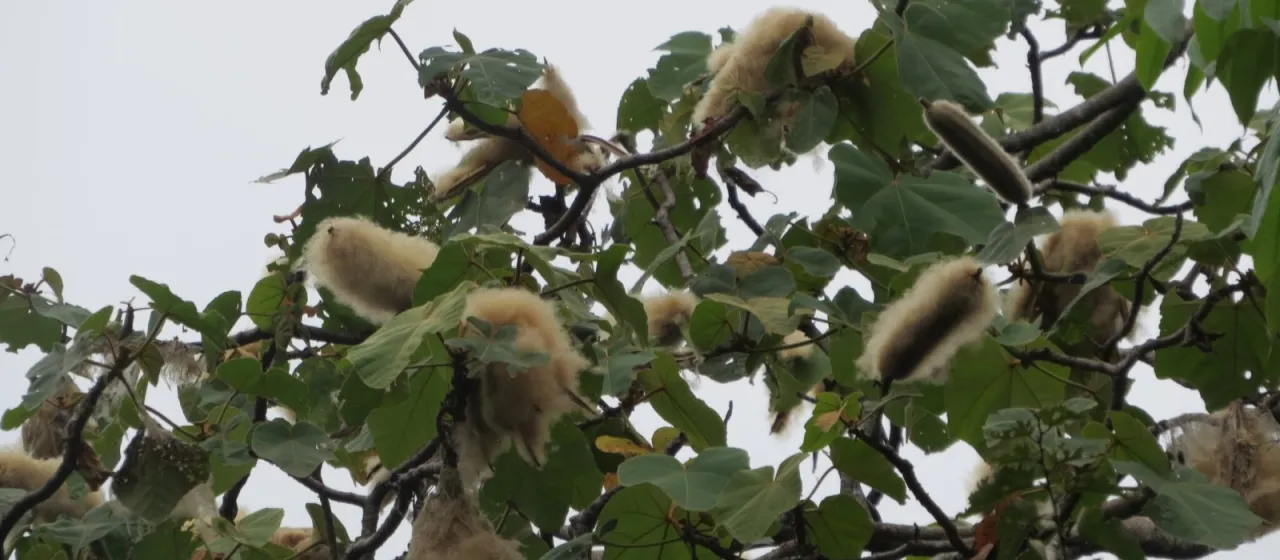
Botanically, the tree is characterized by its broad, palmately-lobed leaves and a soft, porous trunk structure. The density of its wood is exceptionally low, as the cell structure contains high levels of water storage, which, once dried, results in a lightweight, cellular material that is highly sought after for its mechanical properties.
Cultivation requires a strictly tropical environment with consistent warm temperatures throughout the year and high levels of annual rainfall. Soil conditions must be deep, fertile, and well-drained. The crop is light-demanding, meaning that management practices focus on ensuring full sun exposure from the seedling stage and maintaining optimal spacing to prevent crown competition.
- Extremely fast growth (can exceed 2-3 meters annually).
- Requirement for tropical humidity and high temperatures.
- Sensitivity to high winds due to soft wood architecture.
- Susceptibility to specific tropical pests and fungal decay if drainage is poor.
The economic value of Ochroma peruviana is tied primarily to the timber industry. The wood is widely used for model aircraft, surfboards, insulation panels, and as a core material for lightweight composite structures. Its rapid maturity makes it an attractive investment for sustainable forestry operations in tropical latitudes.