
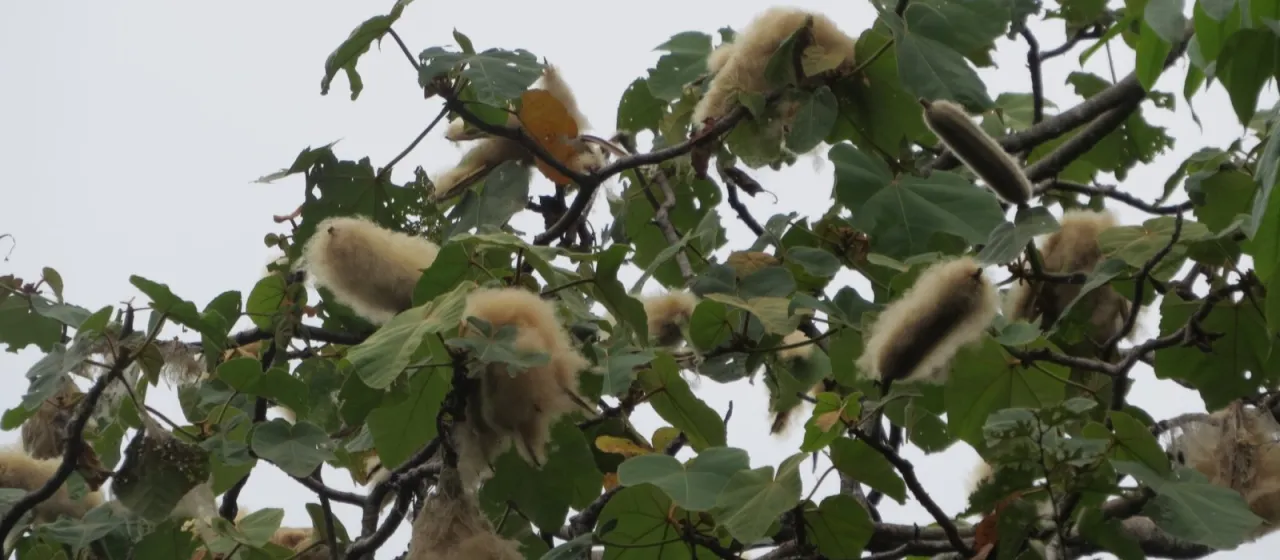
Description
Ochroma pyramidale, commonly known as the balsa tree, is a prominent member of the Malvaceae family. It is globally recognized for producing the lightest commercial timber in the world, characterized by an exceptional strength-to-weight ratio that makes it a premium material in diverse manufacturing sectors.
Native to the tropical regions of Central and South America, the balsa tree naturally inhabits moist rainforests. It is classified as a pioneer species, capable of rapid colonization in disturbed environments. Its survival strategy relies on rapid growth and prolific seed production, allowing it to quickly dominate clearings and regenerating tropical landscapes.
Botanically, balsa is a fast-growing, short-lived evergreen tree that can reach impressive heights within a few years. It features large, simple leaves and produces distinctive, nectar-rich flowers that are primarily pollinated by bats and nocturnal insects. The timber itself is cellular in structure, consisting of large, thin-walled cells that contribute to its unique lightness.
Successful cultivation requires a tropical climate with high humidity and consistent, warm temperatures throughout the year. The species is highly intolerant of frost and requires well-drained, fertile soil. Adequate sunlight is essential for the rapid maturation of the trees; therefore, site selection is critical for commercial plantation success, as shading can significantly inhibit development.
Economically, the wood is utilized extensively in aerospace engineering, model making, stage scenery, and as a core material for high-performance composite panels. Growers must be vigilant against common tropical pests, such as wood-boring beetles, and fungal root rots, which pose the greatest threats to plantation health. Proper management and site preparation are vital for yield optimization.