
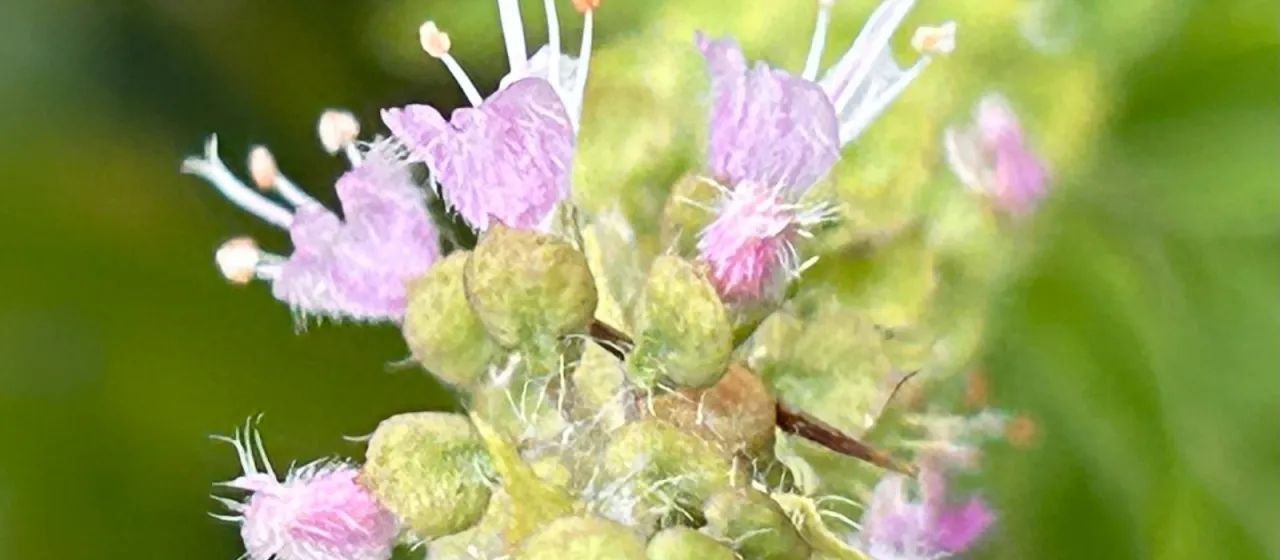
Description
American basil (Ocimum americanum) is an annual herbaceous plant belonging to the Lamiaceae family. Often referred to as camphor basil in agricultural sectors, it is highly valued for the chemical profile of its essential oil, which contains significant concentrations of camphor, making it a target crop for industrial extraction.
The plant originates from the tropical zones of Africa and Asia. Its current cultivation range has expanded to encompass various subtropical and warm-temperate regions globally. Farmers successfully grow this crop for both commercial essential oil production and local spice markets, leveraging its rapid growth cycle and adaptability to diverse sunny environments.
Botanically, American basil is characterized by a bushy, branched stem structure that typically reaches heights between 60 and 80 cm. The leaves are lanceolate, emitting a pungent camphoraceous aroma when crushed. It produces small, white or pale purple flowers in dense terminal racemes, which are crucial for identifying the species during the reproductive phase.
The crop requires full sun exposure and warm temperatures, ideally exceeding 20°C throughout the growing season to reach its full potential. Regarding soil requirements, it prefers well-drained, fertile, and light loam soils. Irrigation management is critical; while it needs regular watering to maintain rapid leaf biomass production, excessive waterlogging must be avoided to prevent root damage.
Host plant utilization is centered on the production of essential oils used in pharmaceutical and cosmetic industries. In terms of protection, the crop is susceptible to spider mites and aphids, which require monitoring. Diseases such as root rot can occur in poorly drained soil, emphasizing the importance of proper site preparation and crop rotation practices in professional cultivation.