
Description
Spiny lace fern (Odontosoria aculeata) is a perennial sporophyte belonging to the Lindsaeaceae family. This distinct fern is recognized for its climbing habit, which allows it to thrive in tropical environments by utilizing other vegetation for structural support, characteristic of its native habitat.
The native distribution of this species spans across the Caribbean, Central America, and parts of South America. It is typically found in humid forests, occupying areas with filtered sunlight and high atmospheric humidity. Its ecological adaptability makes it a significant, albeit specialized, component of the tropical understory.
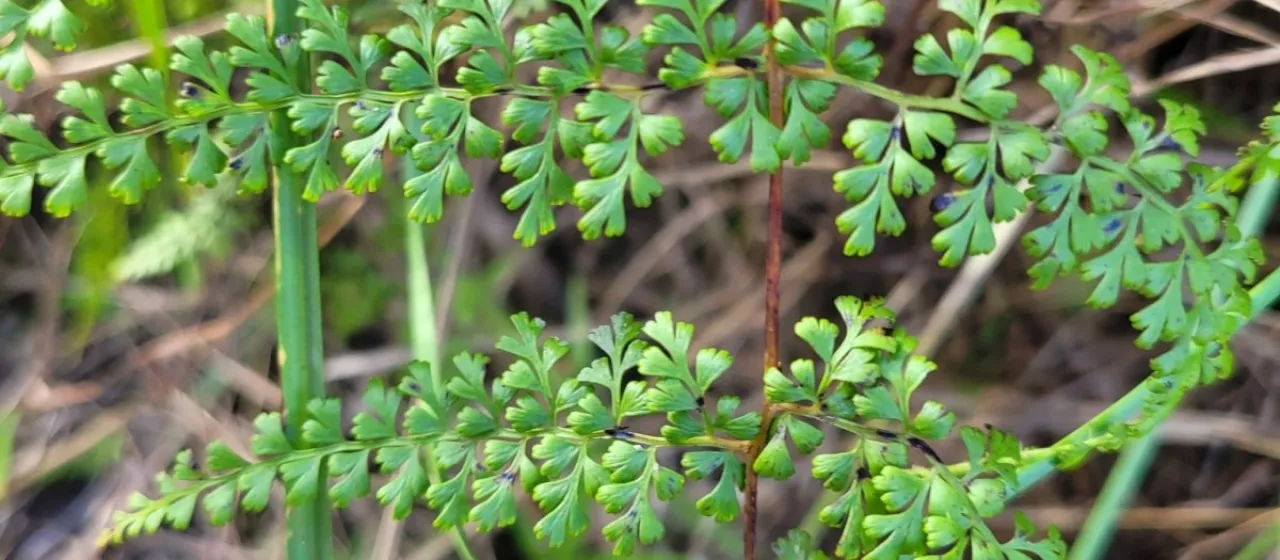
Botanically, the species is defined by its rigid, prickly stipes that function as climbing aids. The fronds are finely dissected and possess a delicate, lacy appearance, which serves as a highly efficient photosynthetic surface in low-light tropical conditions. Reproduction is facilitated through spores, which require a consistently moist and sheltered substrate to germinate effectively.
In cultivation, the spiny lace fern requires stringent adherence to tropical conditions, including temperatures ranging from 20°C to 25°C and high humidity levels. The potting medium should be composed of well-draining organic matter, such as peat or coco coir, to prevent root rot while maintaining the essential moisture balance required for healthy rhizome development.
The primary use of Odontosoria aculeata is ornamental, often sought after by fern enthusiasts and botanical collections for its unique structure. In terms of plant health, it is occasionally susceptible to pests such as aphids and scale insects, especially if ventilation is poor. Proper air circulation and controlled humidity are the best preventative measures against common fungal and insect infestations.