
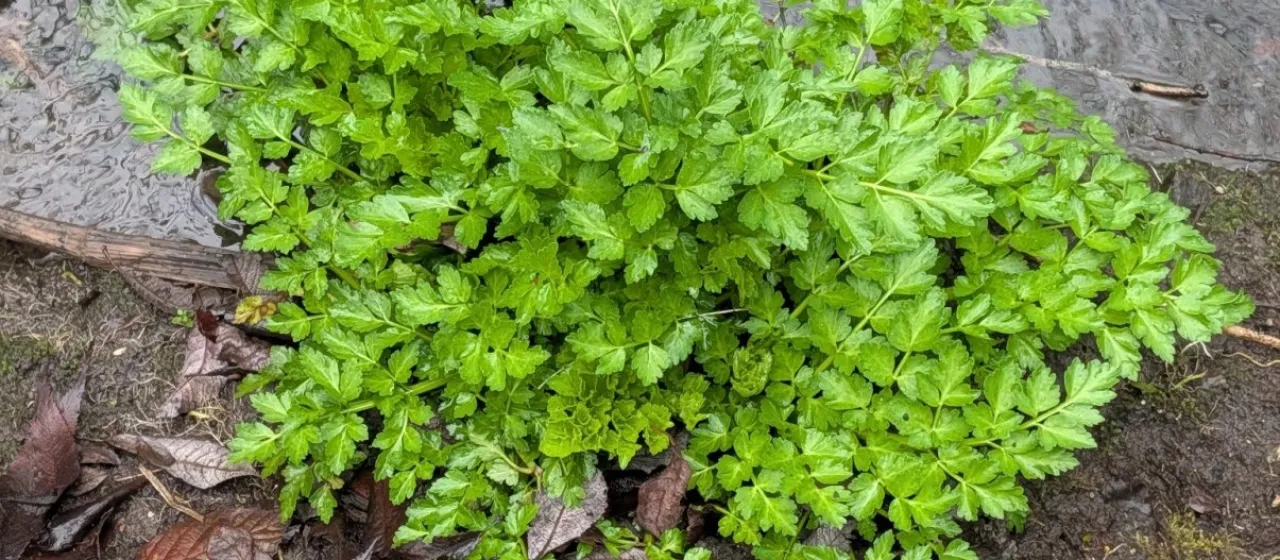
Description
Hemlock water dropwort (Oenanthe crocata) is a perennial herbaceous plant belonging to the Apiaceae family. While it shares structural characteristics with many edible plants in the family, it is recognized globally by agronomists and farmers as one of the most toxic plants in the wild. It is not a cultivated crop but a significant hazard that requires diligent management in agricultural landscapes.
Native to Western Europe and the Mediterranean, the plant thrives in specific ecological niches such as riverbanks, marshes, and damp pastures. It requires consistently moist, nutrient-rich soils to support its rapid growth cycle. The climate preference is centered on temperate, high-rainfall regions, where the plant can maintain active growth throughout most of the year.
The botanical structure consists of a fascicled root system with fleshy, tuberous parsnip-like roots. The stems are hollow, thick, and furrowed, growing up to 1.5 meters in height. The foliage is bipinnate and lush, which often causes confusion with edible celery or parsley. A distinctive feature is the saffron-colored, acrid juice that exudes when the root or stem is sliced or crushed.
Regarding agricultural management, there is no standardized cultivation protocol for Oenanthe crocata as it is classified as a dangerous weed. Control measures focus on mechanical eradication. Successful management involves draining waterlogged areas and ensuring that no root fragments remain in the soil, as the plant can easily resprout from small tubers. Prevention of spread into high-quality grassland is the primary objective of field monitoring.
- Requires drainage management in damp pastures.
- Manual extraction is the most effective control method.
- High toxicity level poses a lethal threat to livestock.
- Should be kept away from animal feed supplies.
The economic impact of this plant is strictly negative due to its extreme toxicity, containing polyacetylene neurotoxins. It is notoriously dangerous for cattle, horses, and sheep. Because of its appearance, it is frequently consumed by grazing animals, leading to rapid onset of convulsions and often death. Therefore, identifying and removing Oenanthe crocata from grazing land is a crucial safety task for farm management.