
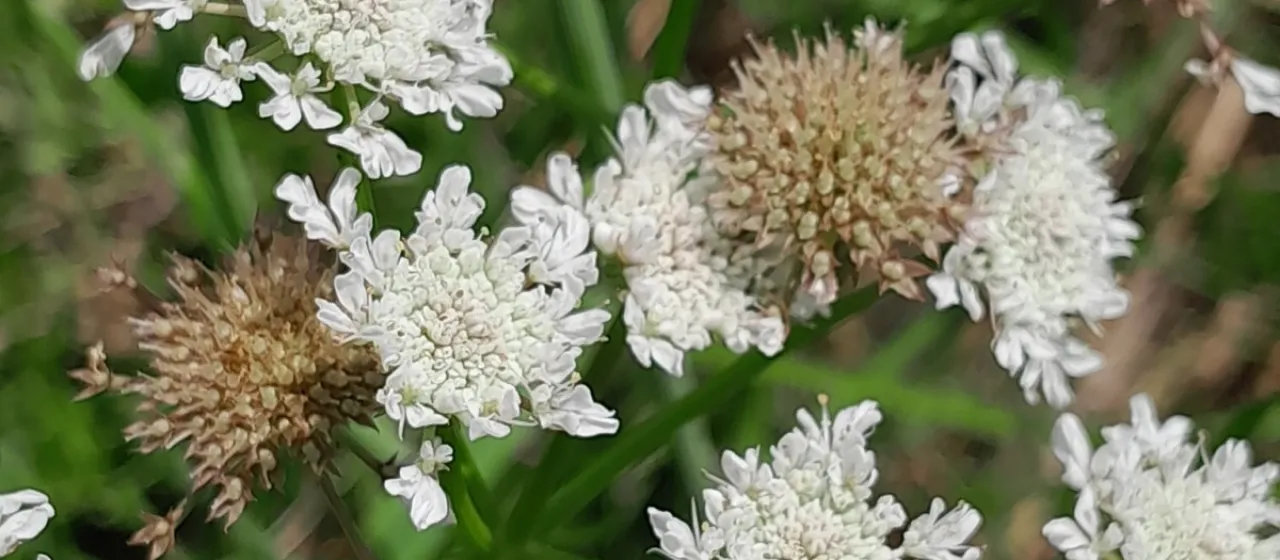
Description
Narrow-leaved water-dropwort (Oenanthe silaifolia) is a perennial herbaceous plant belonging to the Apiaceae family. In agricultural practices, it is recognized as a vital component of diverse meadow ecosystems, providing significant biomass for grazing livestock and contributing to the biodiversity of damp grassland regions.
The plant is native to Europe, the Mediterranean, and parts of the Caucasus and Western Asia. Its natural range is concentrated in moisture-rich environments, such as floodplains and low-lying meadowlands. Because of its ecological preferences, it thrives in regions with consistent water availability, making it a key species for managed wetlands.
Botanically, the plant is characterized by hollow, ridged stems and finely divided, feathery leaves that resemble carrot foliage. Its root system contains small, tuberous structures that provide energy storage, allowing the plant to persist in fluctuating environmental conditions common to flood-prone areas.
Cultivation requirements involve maintaining fertile, moisture-retentive soils, ideally silt-loams or clay-based compositions with a neutral pH. Proper meadow management is essential to prevent soil compaction and waterlogging. Regular fertilization, particularly with phosphorus and potassium, helps to optimize vegetative growth and improve the nutritional profile of the harvested fodder.
The plant serves primarily as a forage resource in mixed pasture systems. When managed correctly, it provides high-quality feed for cattle and sheep. Producers must monitor for fungal pathogens that thrive in wet conditions and implement integrated pest management strategies to control insects that target members of the Apiaceae family to ensure steady yields.