
Description
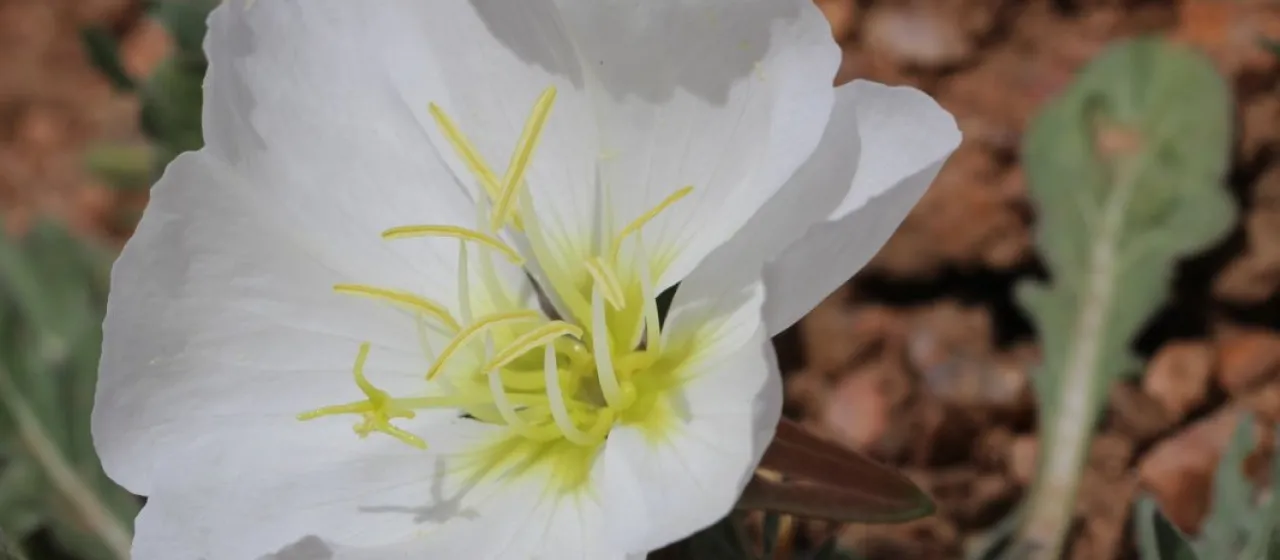
The white-stem evening primrose (Oenothera albicaulis) is an herbaceous plant belonging to the Onagraceae family. Often overlooked, this species possesses significant potential for sustainable agriculture in arid and semi-arid environments where water efficiency is paramount.
Native to North America, the plant is primarily found in sandy prairies and desert regions. Its evolutionary history has made it exceptionally well-adapted to high-temperature fluctuations and nutrient-poor, sandy soil compositions, allowing it to thrive where other crops would fail.
Botanically, Oenothera albicaulis is characterized by its distinctively pale, often branching stems and lanceolate foliage. The white flowers exhibit nocturnal blooming patterns, an evolutionary trait designed to maximize pollination success by attracting night-active insects in harsh environments.
For successful cultivation, the plant requires well-drained, sandy soils and full sun exposure. It is highly sensitive to waterlogging, which can rapidly lead to root rot. Agronomic practices emphasize minimal soil disturbance and low-input cultivation strategies, as the plant is evolved to persist in natural grassland conditions.
The main commercial and agricultural use of the species involves the extraction of oil from its seeds, which is prized for its high content of essential fatty acids. Beyond its oilseed potential, it serves as an excellent plant for soil stabilization and erosion control in desertified landscapes.
- Excellent drought tolerance and heat resistance
- Minimal fertilizer input requirements
- Naturally resistant to many common pests
- High potential for reclamation of degraded sandy lands