
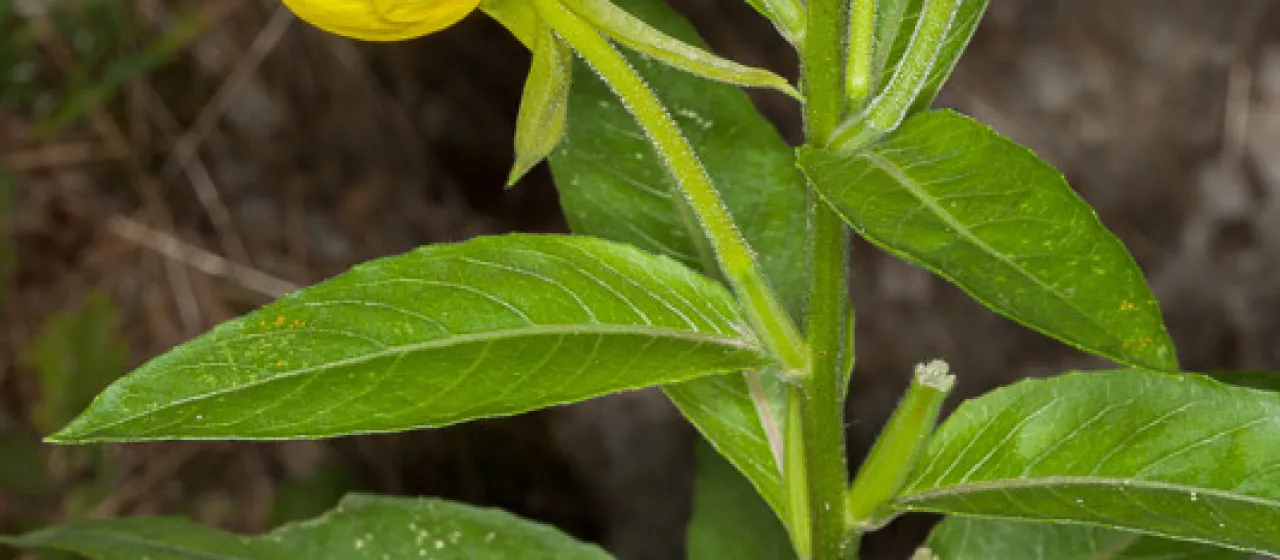
Description
The Chicago evening primrose (Oenothera chicagoensis) is a member of the Onagraceae family, known for its unique botanical profile and evening-blooming characteristics. This species is recognized for its adaptability and serves as a valuable subject in both ornamental horticulture and botanical research, particularly regarding floral genetics and nocturnal plant biology.
Originally native to North America, the species has spread across various temperate regions due to its resilient nature. It thrives in open, sunny environments where it can fully exploit its photosynthetic potential. The plant is well-suited for cultivation in fields that receive ample sunlight, as shade often restricts its development and reduces overall flower production throughout the season.
Botanically, Oenothera chicagoensis features a robust, upright stem with lanceolate foliage and striking yellow, cup-shaped flowers. It typically follows a biennial or short-lived perennial life cycle. The root system is quite deep and fibrous, which provides the plant with significant stability and the ability to access moisture from lower soil horizons during dry spells.
The cultivation of this crop requires well-drained, sandy, or loamy soils. It has a high tolerance for poor fertility but performs best when given balanced NPK fertilizers during the vegetative stage. Proper spacing is essential to ensure adequate airflow, which helps mitigate the risk of fungal infections in the canopy. Weeding during the establishment phase is critical for success.
- Excellent drought tolerance once established.
- High aesthetic and commercial value in landscape design.
- Effective seed production under optimal conditions.
- Resilience against major soil-borne diseases.
Common pests include aphids, which may cluster on developing flower buds, and occasionally spider mites in hot, dry conditions. Disease management focuses on avoiding over-irrigation to prevent root rot. Implementing a consistent monitoring program and applying biological control agents or targeted pesticides, when necessary, ensures high crop quality and yield consistency.