
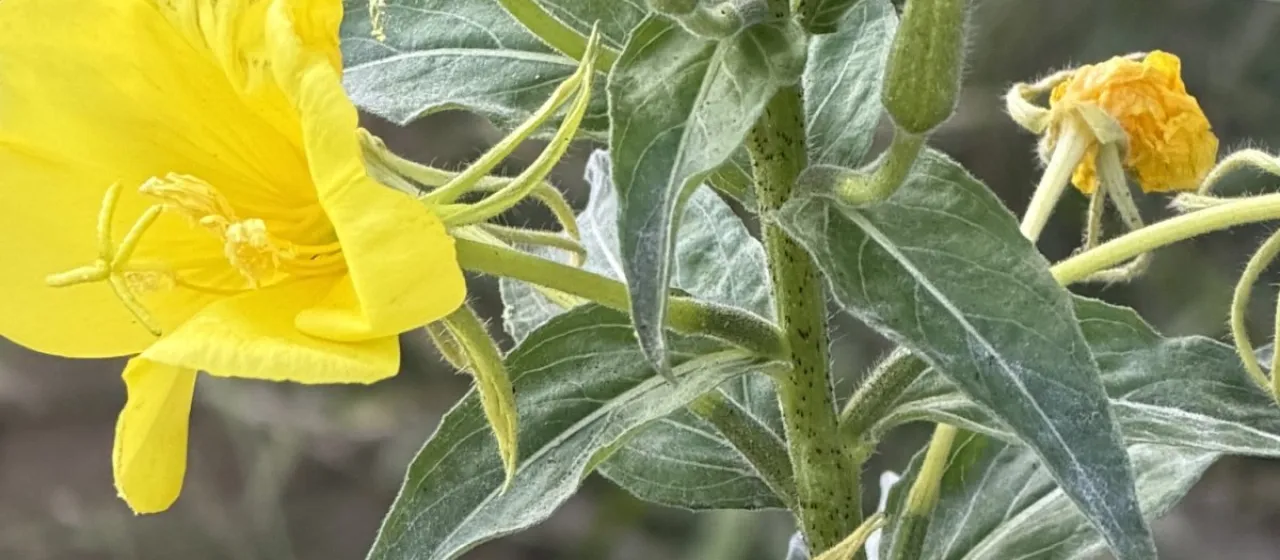
Description
Hooker's evening primrose (Oenothera elata) is a biennial or perennial herbaceous plant belonging to the Onagraceae family. It is increasingly recognized in agricultural settings for its seeds, which are highly valued in the production of evening primrose oil due to their specific fatty acid profile.
The plant originates from North America, where it thrives in varied habitats ranging from open meadows to disturbed soils. Its historical range has facilitated its introduction to other temperate regions worldwide. The species is highly adaptable, showing significant resilience in diverse environments where sufficient sunlight is available.
Botanically, Oenothera elata is distinguished by its tall, sturdy stalks that can exceed one meter in height and its large, yellow, nocturnal flowers. The plant develops a robust taproot system, which contributes to its drought tolerance. The seeds are small and contain a high percentage of polyunsaturated fatty acids.
Successful cultivation requires well-drained, fertile soil and adequate exposure to sunlight. Agronomic management focuses on careful seedbed preparation and weed control during the seedling stage. Once established, the plant requires minimal irrigation, although consistent moisture levels during the flowering period generally improve seed yield.
Commercial utilization is primarily focused on the pharmaceutical and cosmetic industries. The oil extracted from the seeds is a rich source of gamma-linolenic acid (GLA), widely used in health supplements. Common pests include aphids and certain lepidopteran larvae, while preventative measures like crop rotation are recommended to manage soil-borne diseases such as root rots.
- High concentration of essential gamma-linolenic acid in seeds.
- Significant drought tolerance once the taproot is established.
- Dual-purpose potential: medicinal oil production and ornamental value.
- Adaptability to a wide range of temperate soil types.