
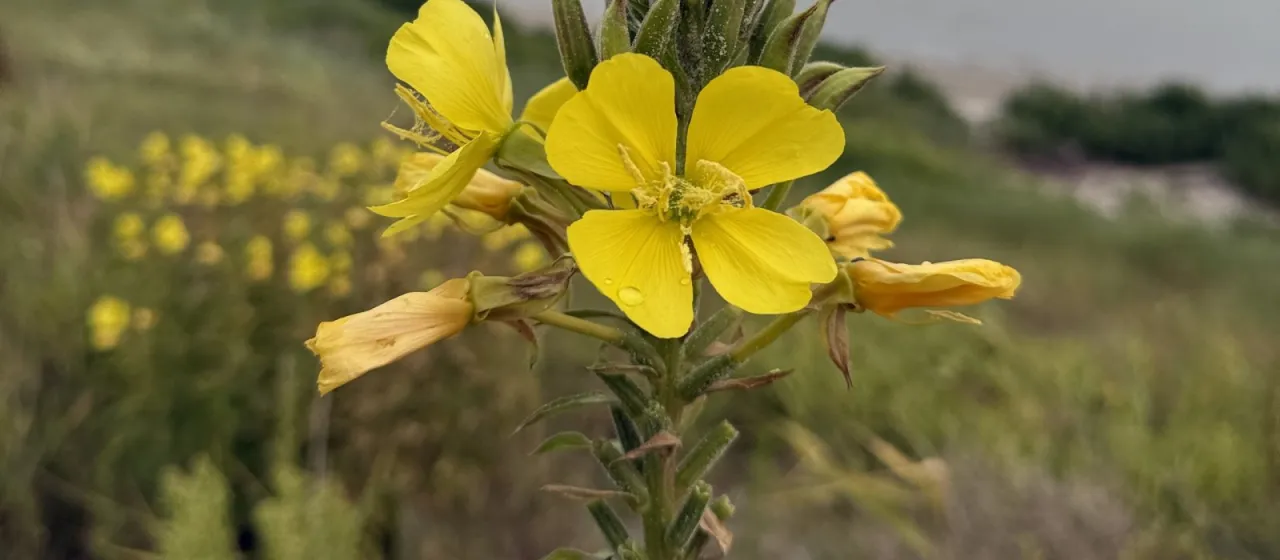
Description
Oenothera fallax is an herbaceous plant belonging to the Onagraceae family. Recognized in agricultural contexts for its potential as an oilseed crop, it is gaining popularity due to its biochemical profile, specifically the fatty acid composition of its seeds. The plant typically exhibits a biennial or short-lived perennial growth habit, characterized by robust stems and large, fragrant flowers.
Originating from North America, this species has successfully naturalized in various temperate regions across the globe. Its cultivation area spans diverse climates, provided there is adequate access to sunlight. As a heliophilic species, Oenothera fallax thrives in open fields where it can maximize photosynthetic activity, which is essential for uniform seed maturation.
Botanically, the plant features a deep taproot, which provides resilience against temporary droughts. The basal rosette of leaves forms during the initial vegetative season, followed by the development of flowering stalks in the subsequent period. The flowers are notable for their nocturnal blooming cycle, which is a specific adaptation for cross-pollination by sphingid moths and other night-active pollinators.
In terms of agricultural management, Oenothera fallax requires well-drained soil with a neutral to slightly acidic pH. Waterlogging is detrimental to the plant, often resulting in root rot, which necessitates selecting fields with efficient subsurface drainage. Farmers are advised to maintain optimal planting density to promote healthy air circulation and reduce the incidence of fungal pathogens.
The primary economic use of the crop is the production of evening primrose oil, which is high in gamma-linolenic acid (GLA). Beyond its pharmaceutical applications, the plant is valued for its versatility in ecological restoration. Common pests include aphids, while powdery mildew represents the main pathological challenge. Management strategies should prioritize preventative measures and the use of resistant varieties where available.
- Preferred soil: Sandy loam with good drainage.
- Sunlight requirement: Full sun.
- Harvest focus: Seeds (oil extraction).
- Maintenance: Weed control in early growth stages.