
Description
Oenothera filiformis, commonly known as threadleaf evening primrose, is a plant species belonging to the Onagraceae family. In agriculture, it is valued primarily for its seeds, which are rich in essential fatty acids. As an industrial crop, it is gaining interest for its potential in producing specialty oils used in pharmaceutical and dermatological applications.
Originating from the North American plains, the plant has spread across various temperate regions due to its robust nature. It thrives in open, sunny environments and requires long days for optimal growth and seed production. The species is well-adapted to environments that experience distinct seasonal changes, provided there is adequate light during the vegetation period.
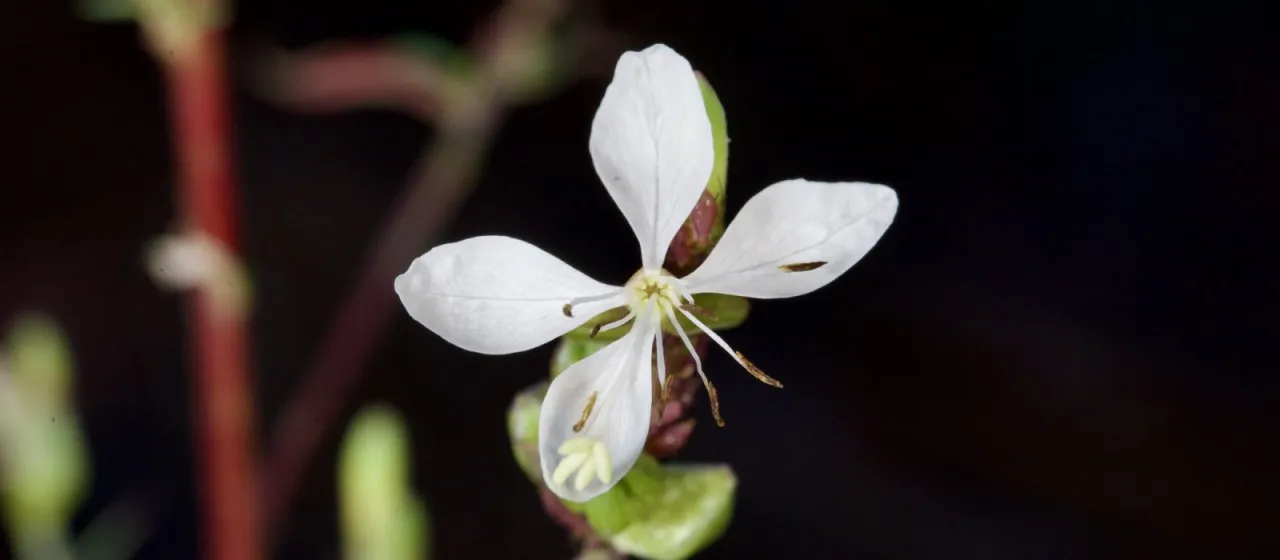
Botanically, Oenothera filiformis is characterized by its slender, thread-like stems and narrow foliage, which distinguish it from other related primrose species. The flowers typically exhibit four petals and a delicate yellow color, often opening at twilight. The root system is primarily fibrous, designed to anchor the plant effectively in well-drained, sandy or loamy substrates.
Agronomic requirements are focused on soil drainage and weed management. The crop does not tolerate waterlogging, which can cause root rot; therefore, planting on elevated beds or porous soil is recommended. Cultivation practices include regular weeding and controlled irrigation to ensure consistent moisture levels during the flowering stage, followed by dry conditions for maturation.
The industrial and agricultural use of the crop is highly specialized, focusing on high-value seed oil extraction. Its primary applications include:
- Production of nutritional supplements high in GLA.
- Formulation of specialized skin care products.
- Use as an experimental crop for bio-based industrial lubricants.
Farmers must monitor the crops for common threats, including powdery mildew, which can significantly reduce yield in humid conditions, and aphids, which frequently infest the stems and buds. An effective pest management strategy usually combines biological monitoring with targeted applications of approved agrochemicals to protect the crop during the most vulnerable vegetative growth phases.