
Description
Hartweg's evening primrose (lat. Oenothera hartwegii) is a perennial herbaceous plant belonging to the Onagraceae family. Unlike many other members of the genus, this cultivar is valued for its compact habit and ability to bloom profusely under limited moisture conditions. It is frequently utilized not only as a decorative object but also as a vital component of xeriscape landscapes.
The native range of this species encompasses the arid regions of North America, specifically the southwestern United States and adjacent areas in Mexico. In its natural habitat, the plant thrives on rocky slopes, open plains, and sandy soils, which has contributed to its high adaptability to temperature fluctuations and moisture scarcity.
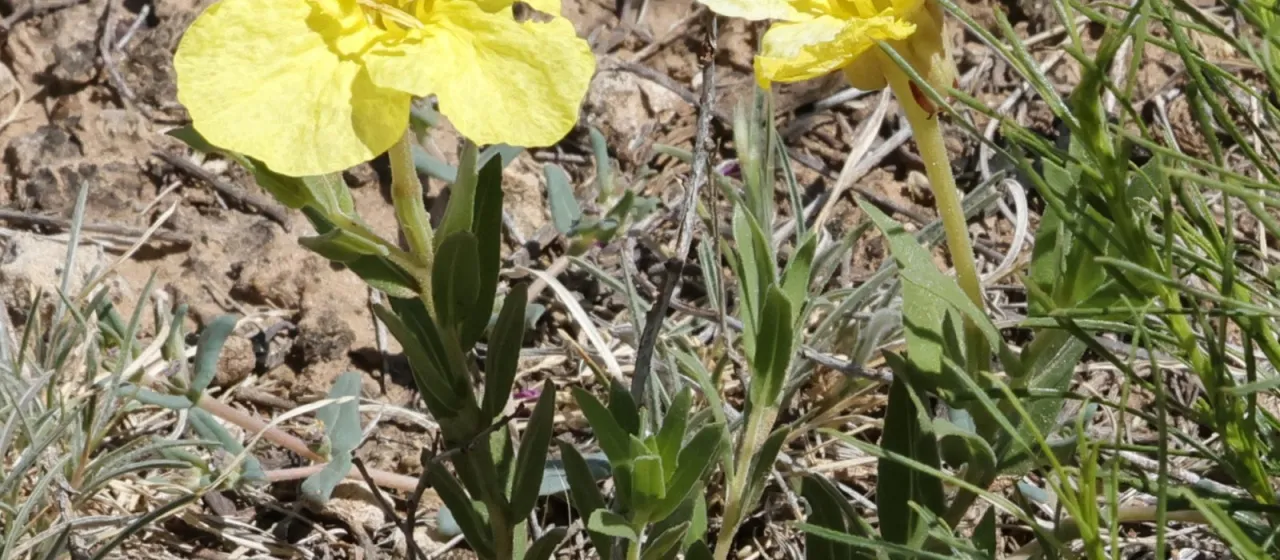
Botanically, the plant presents as a subshrub with a basal rosette of narrow, grayish-green leaves. The flowers are large and vibrant yellow, featuring the characteristic structure of the family. A key botanical feature is the high photosensitivity of the petals, which open primarily during the daylight hours, distinguishing this species from its night-blooming relatives.
The agrotechnology of the crop requires strict adherence to specific conditions. Hartweg's evening primrose is extremely sensitive to waterlogged soil; therefore, successful cultivation necessitates light, well-draining substrate amended with sand or gravel. The plant requires maximum sun exposure, as stems become leggy and flowering intensity decreases significantly in shaded environments.
The primary area of use is landscape design. Due to its superior drought tolerance, this species is widely employed for:
- Designing alpine gardens and rockeries.
- Landscaping arid areas that do not allow for frequent irrigation.
- Border plantings in full sun locations.
- Decorative soil erosion control on slopes.
Common cultivation issues include root rot caused by poor drainage. Among pests, aphids and spider mites represent the greatest threat, particularly during prolonged hot weather. Preventive measures involve maintaining a strict watering regime and conducting regular weeding to eliminate competition for nutrients and space.