
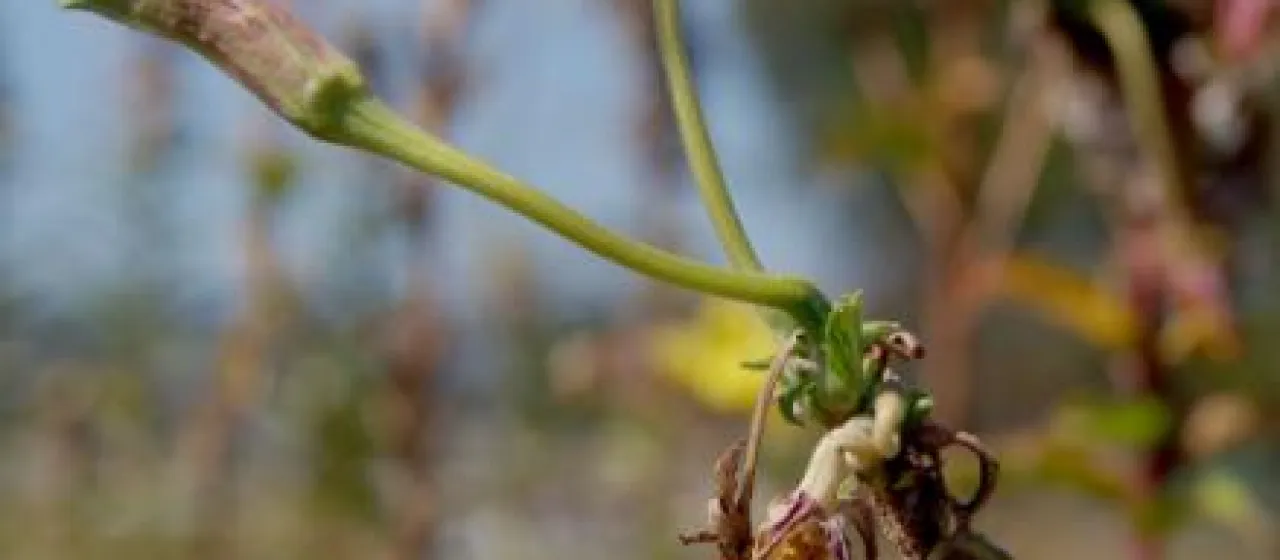
Description
Oenothera jamesii, commonly known as James' evening primrose, belongs to the Onagraceae family. It is a robust perennial plant recognized for its impressive size and beautiful, fragrant nocturnal blooms that add significant aesthetic value to wild or cultivated landscapes.
The species originates from the southwestern United States, specifically from regions in Texas and New Mexico. Because it has evolved in arid environments, the plant is remarkably well-adapted to high heat, intense sunlight, and limited water availability, making it an excellent candidate for xeriscaping.
Botanically, Oenothera jamesii is characterized by its large, showy flowers which typically open at dusk. The foliage is generally lanceolate and often pubescent. The root system is deep-seated, which supports the plant's structural integrity and its ability to withstand prolonged dry spells in its native habitat.
Regarding agrotechnical requirements, this species thrives in well-drained, sandy or gravelly soil. It is essential to ensure that the site does not collect standing water, as waterlogged roots are the primary cause of decline in this species. While it is a low-maintenance plant, consistent monitoring of soil structure is beneficial for optimal growth.
The main usage of the plant is ornamental, favored for its night-blooming qualities. Typical pests include aphids and certain lepidopteran larvae. Disease management focuses primarily on preventing root rot through careful watering and avoiding excessive organic matter in the soil that might retain too much moisture during dormant periods.