
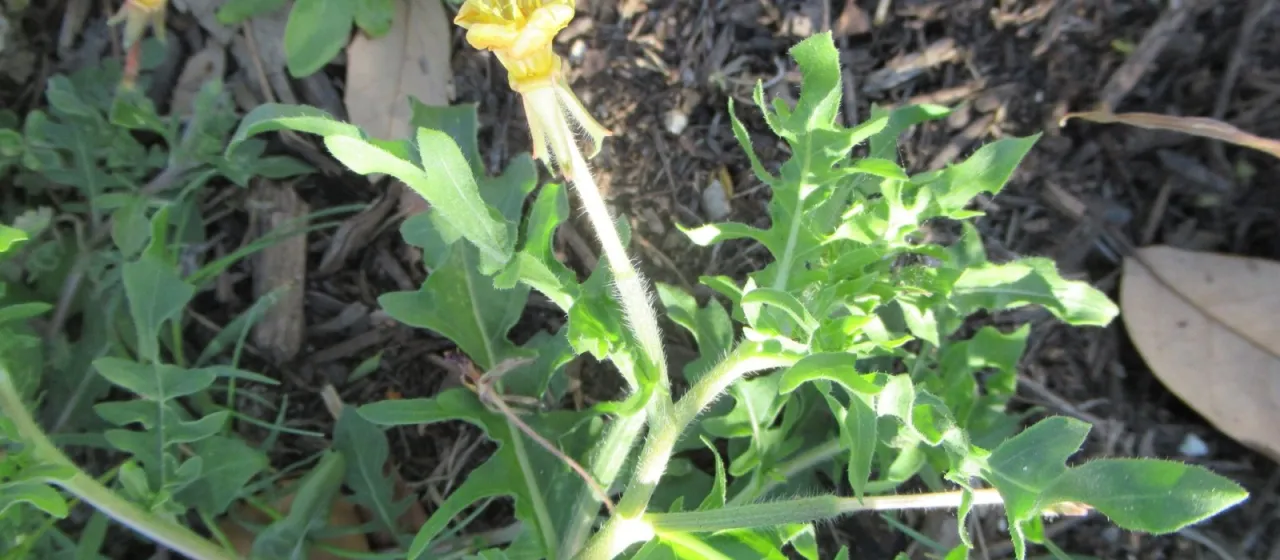
Description
Cut-leaf evening primrose (Oenothera laciniata) is an herbaceous plant belonging to the Onagraceae family. In agricultural sectors, it is increasingly valued as an oilseed crop due to the high concentration of gamma-linolenic acid in its seeds, which is highly sought after by the health and pharmaceutical markets.
Native to North America, the plant has a wide natural range and has been introduced into various temperate regions globally. Its ability to adapt to diverse ecological niches makes it a robust candidate for cultivation in sandy and disturbed soils where other crops might struggle to perform.
Botanically, this species is characterized by its prostrate or ascending stems and deeply lobed, lanceolate leaves. It produces distinct yellow flowers that open in the evening, a typical trait of the Oenothera genus, and generates small seeds that are harvested for their oil content upon maturity.
The crop thrives in sunny locations with well-drained, sandy-loam soils. Agronomic requirements focus on proper seedbed preparation and early weed management. While the plant is drought-tolerant once established, maintaining soil moisture during the germination phase is critical to ensuring uniform crop emergence.
The primary economic use of the cut-leaf evening primrose is the extraction of essential oils, used in skincare and dietary supplements. Crop management must address several biological challenges:
- Susceptibility to fungal pathogens such as powdery mildew.
- Damage from sucking insects like aphids that impact seed yield.
- Management of soil compaction to prevent root health degradation.