
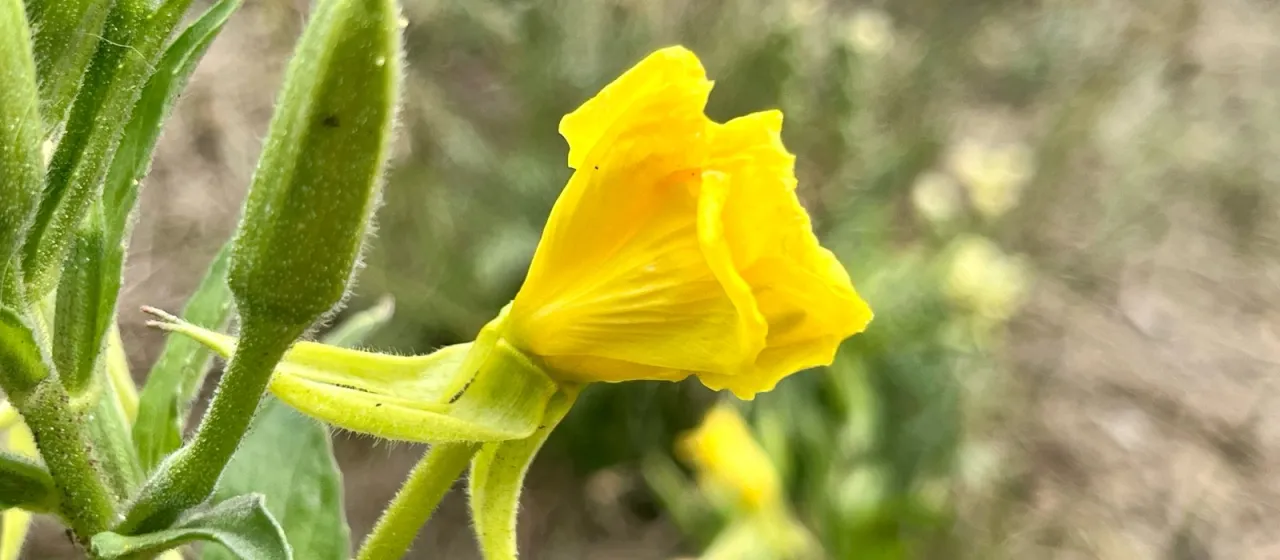
Description
Oakes' evening primrose (Oenothera oakesiana) is a biennial herbaceous plant belonging to the Onagraceae family. In agricultural and industrial sectors, this plant is primarily valued for its seeds, which are rich in high-quality oil containing significant amounts of gamma-linolenic acid, essential for clinical and cosmetic applications.
Native to North America, this species has successfully spread across Europe and temperate zones of Asia, demonstrating an exceptional ability to colonize sandy and nutrient-poor soils. Its adaptability makes it an interesting candidate for reclaiming degraded lands where other intensive crops may fail to establish themselves.
Botanically, Oenothera oakesiana is characterized by a sturdy, upright stem that can reach heights of over one meter. Its foliage is lance-shaped, and the plant produces distinct yellow flowers that typically open during the evening hours. This nocturnal flowering pattern is a specific adaptation to attract night-flying pollinators, which ensures successful seed set.
For optimal growth, the crop requires well-drained, sandy-loam soils and full sun exposure. It is highly drought-tolerant, which makes it an efficient water-user in dry-land farming systems. Unlike many other crops, it does not tolerate waterlogging, meaning field selection must prioritize locations with excellent natural drainage to prevent root issues.
Economic utilization is driven by the demand for its potent oil, which is processed for both the medical and wellness industries. Common agronomic challenges include management of early-season weed competition and vigilance against potential pests like aphids or beetles. Implementing integrated pest management strategies helps maintain healthy plant stands and maximizes yield potential for the seed harvest.