
Description
Narrow-leaved evening primrose (Latin: Oenothera perangusta) is a herbaceous perennial plant belonging to the Onagraceae family. Within the agricultural sector, this species is noted for its specific biochemical composition and its potential as a specialized crop in controlled cultivation environments.
Originating from North American regions, the plant is naturally adapted to open and well-drained habitats. Its current cultivation is primarily concentrated in research plots and specialized nurseries, where it is studied for its chemical properties, particularly the composition of its seed oils, which are highly valued in the pharmaceutical and cosmetic industries.
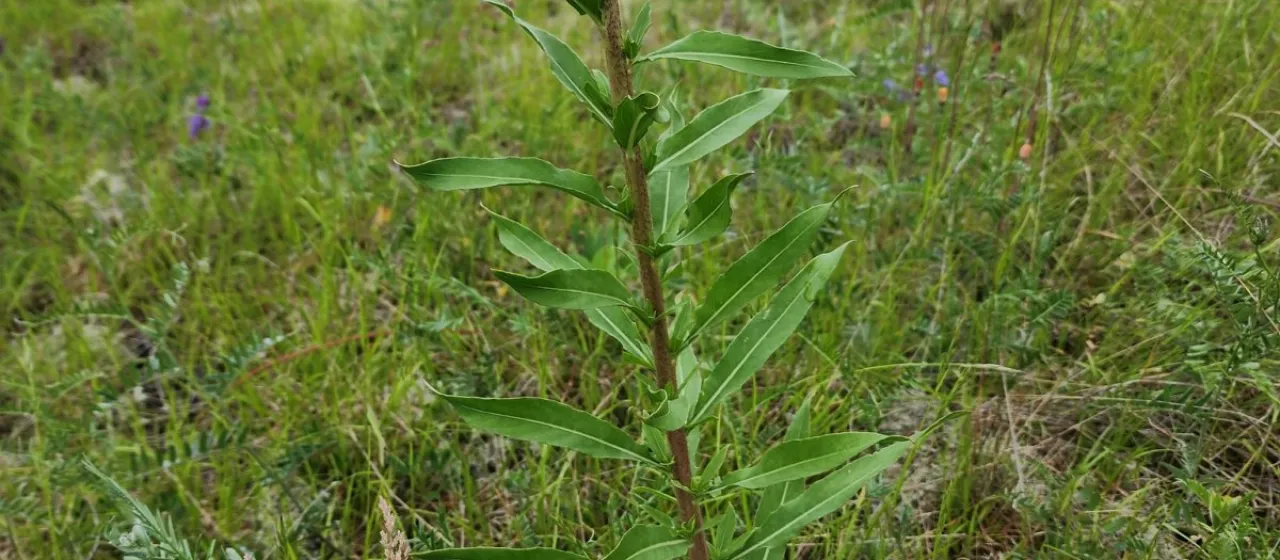
Botanically, Oenothera perangusta is characterized by its narrow, lanceolate leaves and the typical four-petaled flowers characteristic of the genus. The plant grows as an upright, sturdy herb with a well-developed root system, which contributes to its resilience in various soil types, provided that proper aeration is maintained during the early stages of development.
Agricultural requirements include well-drained, loose soil with a neutral pH level. The plant is relatively drought-tolerant but requires consistent moisture management during the critical phase of flowering and seed maturation. Standard agrotechnical practices involve row spacing that facilitates weed control and prevents overcrowding, which could otherwise limit light availability to the lower foliage.
The economic value of this crop is primarily derived from its seeds, which serve as a source of gamma-linolenic acid. Main challenges in field cultivation include potential infestation by aphids and the development of root rot in waterlogged conditions. Successful management involves regular monitoring and the application of integrated pest management strategies to ensure high yields of high-quality seeds.