
Description
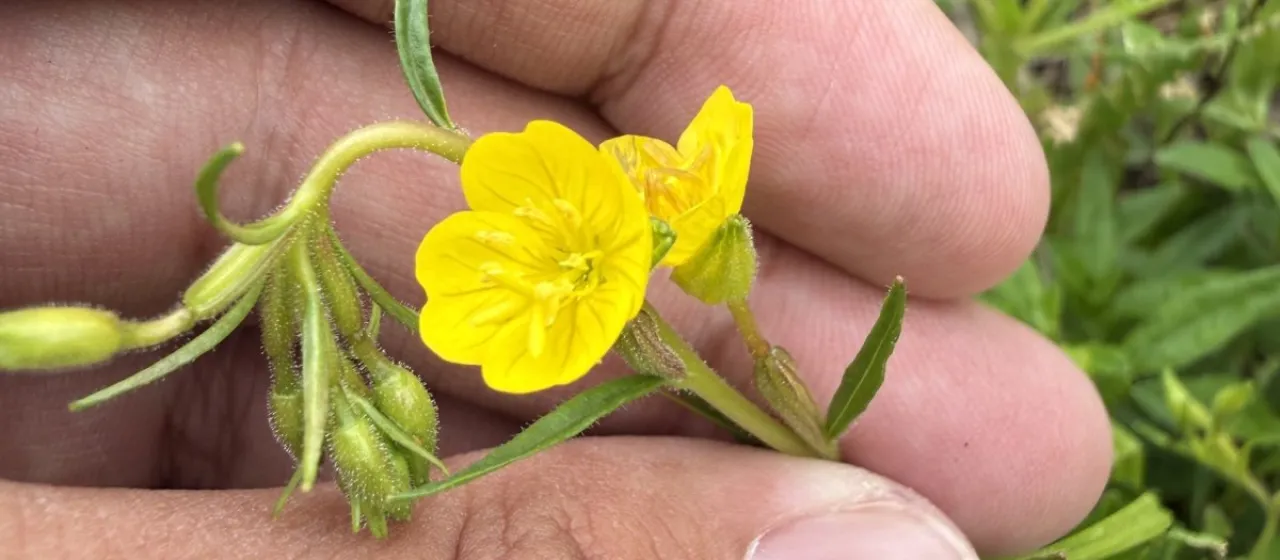
Perennial evening primrose (Oenothera perennis) is a herbaceous plant belonging to the Onagraceae family. Known for its small but vibrant yellow flowers and its ability to thrive in various environmental conditions, this species is increasingly recognized in both horticultural and ecological restoration projects for its robustness.
Originating from North America, the plant is naturally adapted to a wide range of climates. It is frequently found in grasslands and open woodlands, where it demonstrates significant resilience. Its ability to colonize diverse landscapes makes it a suitable candidate for projects requiring low-maintenance vegetation that can withstand moderate drought and varying temperature regimes.
Botanically, Oenothera perennis is characterized by a slender, erect stem usually reaching heights of 30 to 50 centimeters. Unlike many of its nocturnal relatives, this particular species blooms primarily during the day. Its foliage is lance-shaped and arranged alternately along the stem, contributing to a compact and organized plant habit throughout the growing season.
The agronomic requirements for Oenothera perennis are relatively straightforward. The plant performs best in well-drained, sandy or loamy soils with a pH ranging from slightly acidic to neutral. It is highly intolerant of waterlogged conditions, which can lead to root system decay. Sunlight is critical, as shading typically results in reduced flowering and structural weakness of the stems.
In terms of agricultural and land use, the plant is primarily utilized for landscape beautification and soil stabilization. It serves as an effective ground cover that prevents erosion on slopes while supporting local pollinator populations. While generally hardy, farmers should monitor for common pests such as aphids and ensure proper drainage to prevent fungal pathogens associated with excessive moisture.