
Description
Meadow evening primrose (Oenothera pilosella) is a hardy herbaceous perennial plant belonging to the Onagraceae family. Often referred to for its unique fuzzy texture on the foliage and stems, this plant is well-regarded for its adaptability to various environments. As an agricultural and ornamental crop, it offers both aesthetic value and ecological benefits due to its resilience and long flowering period.
Originating from North America, the species has naturally established itself across various temperate zones. Its native habitat includes open grasslands and prairie areas, which explains its preference for sunny conditions. In cultivation, it serves as a robust plant that can thrive in environments where other decorative species might struggle, making it a popular choice for sustainable landscaping and meadow restoration projects.
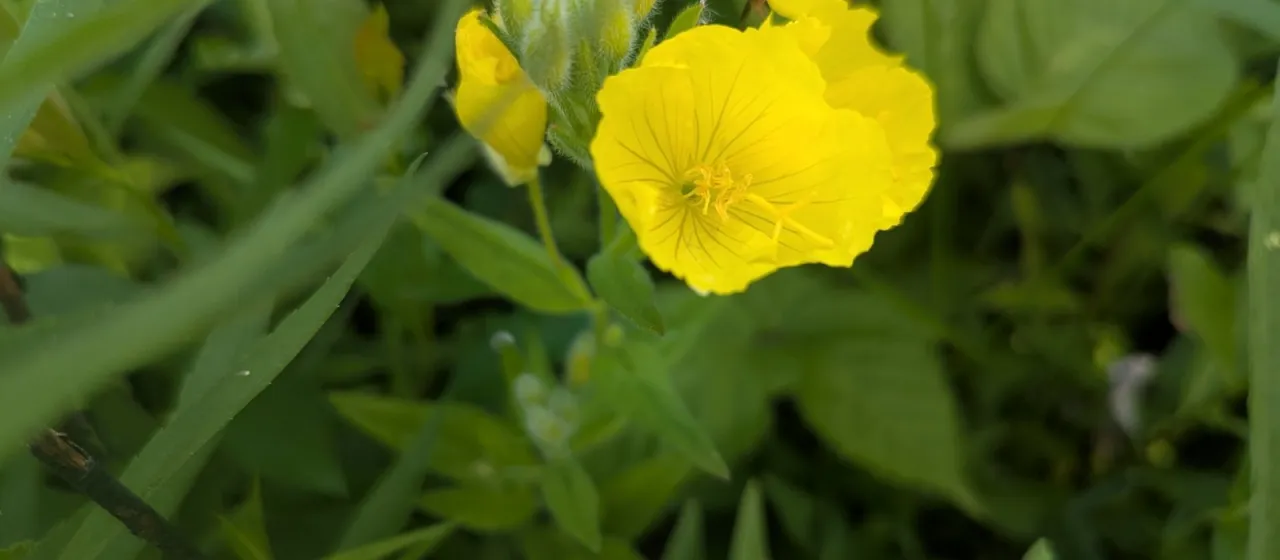
Botanically, Oenothera pilosella is distinguished by its lanceolate leaves that are covered in fine hairs, giving them a soft, grayish-green appearance. The plant typically reaches a height of 30 to 60 cm. Its lemon-yellow blossoms are nocturnal, opening in the evening and attracting night-flying pollinators, although they often remain open during overcast days. The flowers are rich in nectar, making the plant highly beneficial for local insect populations.
Successful cultivation requires a location with full sun exposure and well-drained soil. While it is highly drought-tolerant once established, providing consistent moisture during the initial growth phase is crucial for root development. The soil should be neutral to slightly acidic. Maintenance is generally low, involving the removal of spent flower stalks to prolong the flowering season and thinning the plant clusters every few years to prevent overcrowding.
The agricultural and ornamental uses of meadow evening primrose include:
- Utilizing the plant in pollinator-friendly gardens and meadows.
- Landscaping as a drought-resistant ground cover.
- Enhancing soil stability on slopes.
- Applications in herbal medicine and the extraction of essential oils.
Despite its toughness, Oenothera pilosella can be susceptible to common garden issues. Powdery mildew may occur in areas with poor air circulation or high humidity. Insect pests such as aphids or spider mites can occasionally affect the plant, particularly in stressed specimens. Integrating good spacing practices and ensuring proper soil drainage are the most effective strategies for maintaining a healthy and disease-free crop.