
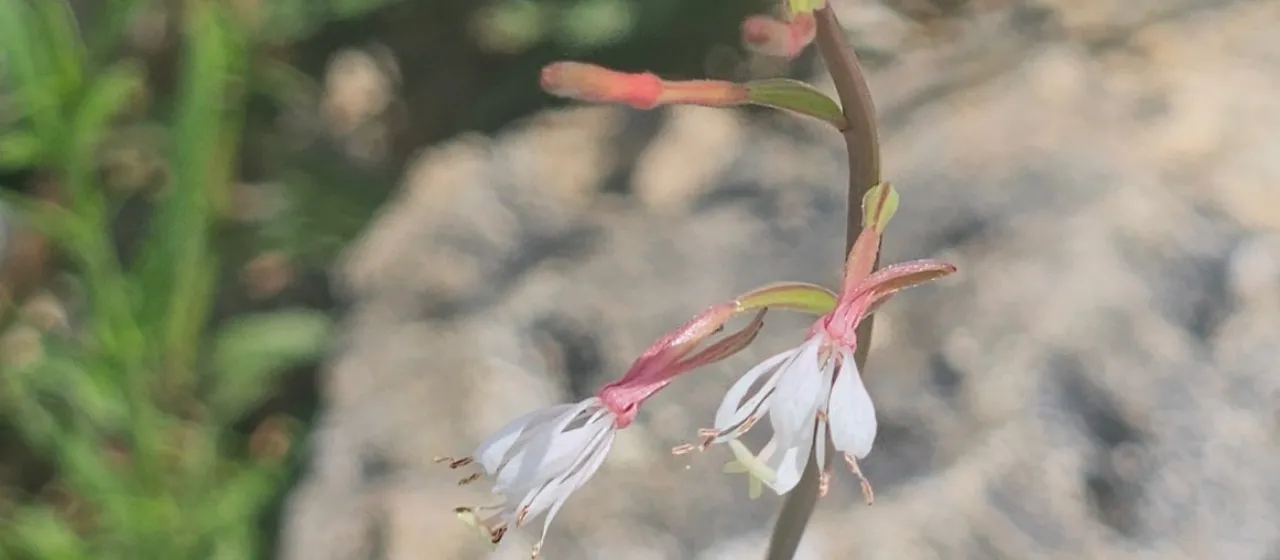
Description
Oenothera simulans is an intriguing member of the Onagraceae family. While not a conventional field crop in terms of mass production, this plant is recognized for its biological resilience and potential utility in specific agricultural applications, such as restoration ecology and specialized landscaping projects.
The origin of Oenothera simulans is traced back to the arid regions of North America. Its natural habitat includes sandy and rocky landscapes, which has dictated its evolutionary development into a drought-tolerant species. The plant is well-adapted to high-light environments and regions with significant diurnal temperature fluctuations.
Botanically, the species is characterized by a deep taproot system designed for moisture extraction and pubescent foliage that minimizes transpiration loss. The flowers exhibit the characteristic behavior of the Oenothera genus, typically blooming in the evening to optimize pollination by nocturnal insects. Its structural integrity allows it to withstand wind exposure in its native, open habitats.
In terms of agricultural requirements, Oenothera simulans demands well-drained, porous soil to avoid the root rot associated with water stagnation. It thrives in soils with neutral to slightly alkaline pH levels. Agronomic management involves site selection that guarantees full solar exposure and minimal irrigation, as excessive moisture often proves more detrimental to the plant than temporary drought.
The primary economic use is centered on its ornamental value and its effectiveness in stabilizing light, dry soils. Common pests include aphids, while powdery mildew is the most prevalent disease, especially in humid conditions. Integrated pest management should prioritize cultural practices, such as adequate plant spacing and strict weed control, to maintain air circulation and reduce the incidence of fungal pathogens.