
Description
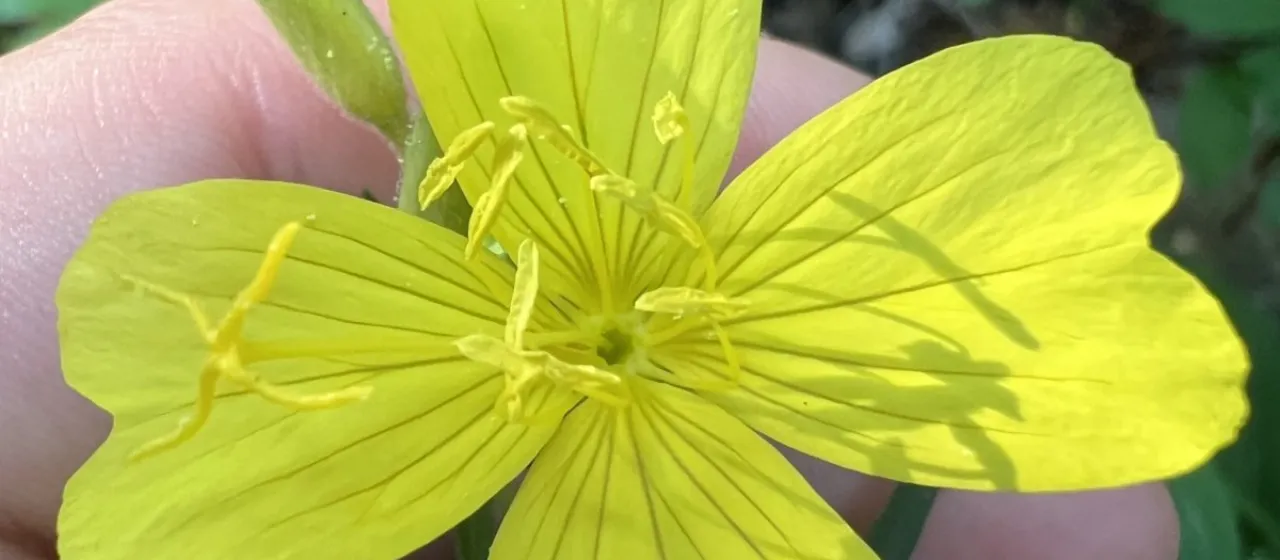
Common sundrops (Oenothera tetragona) is a perennial herbaceous plant belonging to the evening primrose family (Onagraceae). It is widely cultivated for its vibrant yellow flowers and its ability to thrive in various garden settings, providing long-lasting blooms from early summer to early autumn.
The plant originates from North America, where it naturally occurs in meadows and open woodlands. Its adaptability to diverse environments has allowed it to become a staple in gardens across temperate regions globally. In agricultural and horticultural contexts, it is highly regarded for its robust nature and ease of propagation.
Botanically, Oenothera tetragona is characterized by its square-shaped stems and lance-shaped leaves, which often turn bronze or reddish in the fall. The flowers are bowl-shaped, fragrant, and arranged in terminal clusters. The plant maintains a compact, upright habit, typically growing between 15 to 24 inches in height.
The cultivation of common sundrops requires minimal effort, making it ideal for low-maintenance landscaping. It prefers full sun to partial shade and thrives in well-drained, average soil. While it is quite drought-tolerant once established, providing consistent moisture during its first season promotes stronger root development and more profuse flowering.
- Highly adaptable to poor soil conditions.
- Excellent resistance to most common plant pests.
- Provides essential nectar for pollinators.
- Requires division every few years to maintain vigor.
The primary use of Oenothera tetragona is ornamental, often utilized in rock gardens, borders, and mass plantings. Regarding health, the plant is relatively disease-free; however, it should be monitored for powdery mildew in humid environments. Proper air circulation and avoiding overhead watering are the best preventative measures for maintaining plant health.