
Description
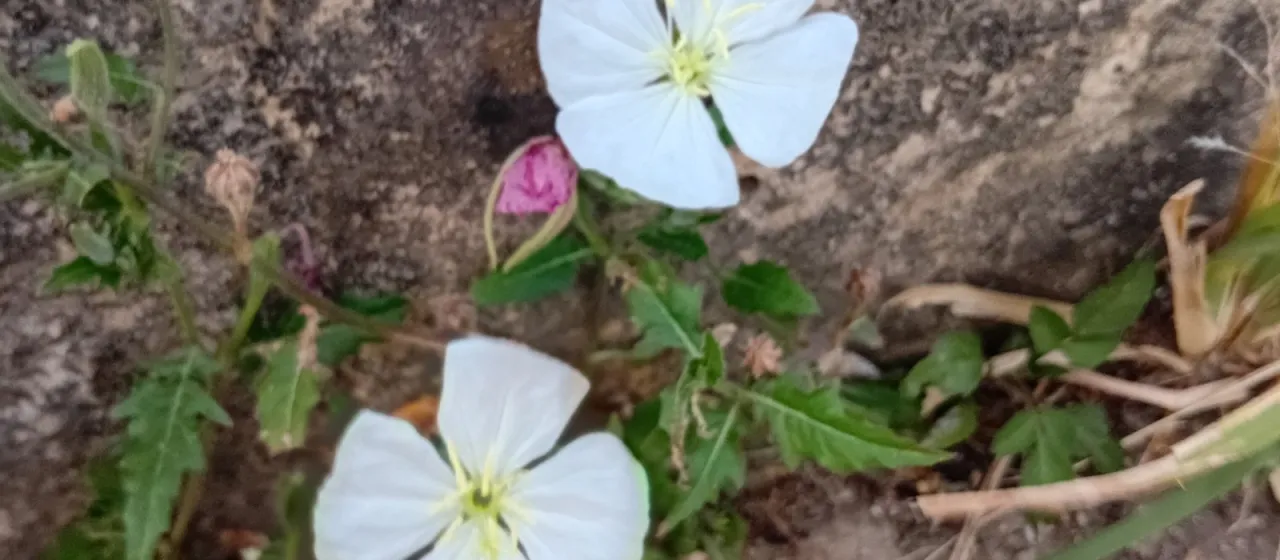
The white evening primrose (Oenothera tetraptera) is a perennial herbaceous plant belonging to the Onagraceae family. Known for its nocturnal flowering habit, this species is highly regarded in both ornamental horticulture and botanical studies for its delicate, fragrant, white-to-pink blossoms.
Originating from the regions of Central and North America, this plant thrives in open, sun-drenched habitats. Its natural range has expanded through horticultural introduction, making it a common sight in gardens across various temperate zones globally, where it adapts to varying soil conditions with relative ease.
Botanically, Oenothera tetraptera is characterized by its branching stems that grow up to 50 cm in height and its distinct lanceolate foliage. The plant's common name stems from its unique seed capsules, which possess four winged margins. The flowers feature four petals and are specifically adapted to attract nocturnal pollinators.
Cultivation requires well-drained, porous soil to prevent water stagnation, which is the primary cause of root-related complications. The plant prefers full sun exposure to maintain vigorous growth and abundant flowering. Agronomic management involves consistent weeding and avoiding over-fertilization, as high nutrient levels can cause excessive vegetative growth at the expense of flowering.
- Requires full sun for optimal flowering
- Thrives in well-drained, sandy or loamy soils
- Moderate water needs, drought-tolerant once established
- Regular pruning helps maintain a neat shape
Economically, the plant is primarily used in landscaping, including rock gardens and border plantings. While relatively hardy, it can be susceptible to powdery mildew in high-humidity environments and occasionally attacked by aphids. Proper spacing between individual plants is essential to ensure adequate airflow and disease prevention.