
Description
Oenothera villosa, commonly referred to as the hairy evening primrose, belongs to the Onagraceae family. It is a biennial herbaceous plant that has gained significance in modern agriculture primarily due to the high nutritional and medicinal value of its seeds, which contain unique fatty acid profiles.
The species is native to North America but has successfully established itself across various temperate regions worldwide. Its presence is frequently observed in disturbed habitats, sandy soils, and roadside vegetation, showcasing its remarkable ability to colonize and thrive in challenging environments with minimal human intervention.
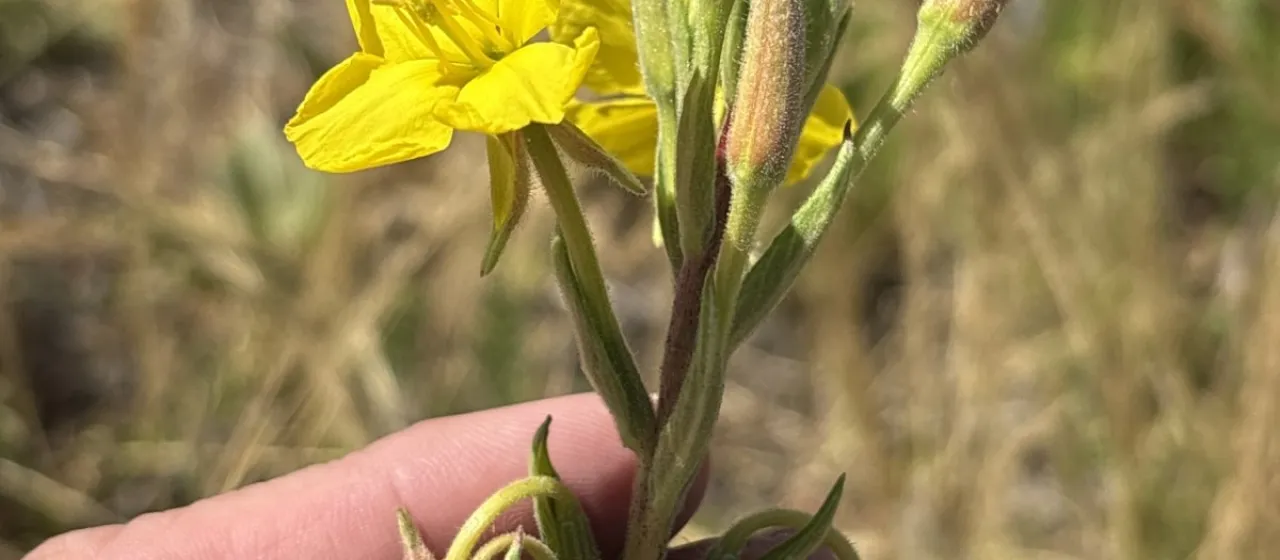
Botanically, Oenothera villosa is distinguished by its erect stem covered with appressed (pressed-down) hairs, which provides a high degree of protection against mechanical stress. The leaves are lanceolate, and the plant produces large, vibrant yellow flowers that bloom in the evening. This flowering behavior is a critical biological adaptation for attracting specialized nocturnal pollinators.
In terms of agronomy, the crop thrives in well-drained, sandy-loam soils exposed to full sunlight. It exhibits significant drought tolerance once established. Proper field preparation is essential, as the seeds are small and require a finely leveled seedbed for optimal germination and uniform stand establishment during the first year of growth.
The agricultural and industrial utility of the plant is diverse:
- Seed oil extraction for use in dietary supplements and skincare.
- Utilization as a forage crop in specific regional livestock feeding programs.
- Phytoremediation and erosion control on sandy landscapes.
- Support for biodiversity as an important late-season nectar source.
Management of the crop requires monitoring for common issues such as powdery mildew, especially under high humidity conditions. Pests like aphids and certain caterpillars can impact yield, necessitating integrated pest management strategies. Maintaining proper plant spacing is vital to ensure adequate air circulation and reduce the prevalence of fungal infections.