
Description
Oldenlandia attenuata is a specialized herbaceous plant belonging to the Rubiaceae (madder) family. Known for its distinct botanical profile, this species occupies a specific place in the biodiversity of tropical regions and is studied for its chemical composition and potential agricultural utility.
The plant originates from the tropical and subtropical zones of Africa and Asia. It thrives in humid climates where soil moisture is consistent throughout the year. Its distribution is closely linked to riparian zones and open fields where the plant can establish strong colonies through seed dispersal and vegetative propagation.
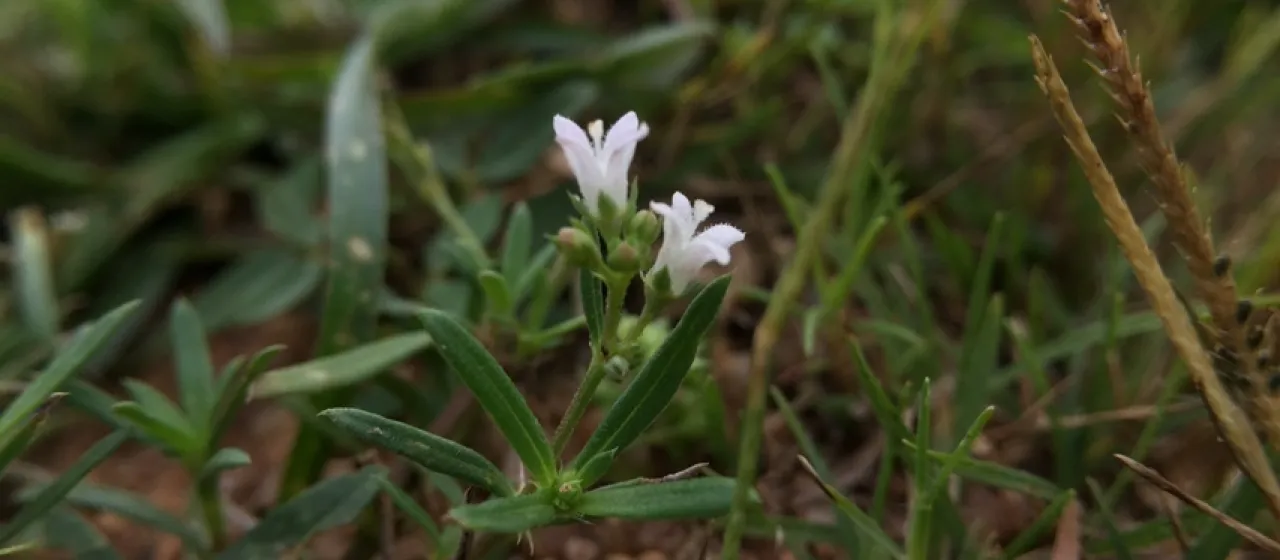
Botanically, Oldenlandia attenuata features slender, branching stems and lanceolate leaves arranged in opposite pairs. The flowers are small, typically appearing in clusters, and are often white or pale, showcasing the classic morphology of the Rubiaceae family. The root system is generally fibrous, allowing for quick absorption of nutrients in nutrient-poor but moist soils.
Agronomic success with this crop depends heavily on soil preparation and irrigation management. It prefers well-drained, fertile loamy soils with a pH ranging from slightly acidic to neutral. High-intensity light is essential for the vegetative development phase. Producers must focus on density control to ensure adequate airflow, which prevents the build-up of moisture around the base of the plant.
The primary fields of application for Oldenlandia attenuata include:
- Ethnomedicine and local herbal preparations.
- Pharmaceutical extraction of specific active compounds.
- Use in botanical research for exploring plant-based medicinal properties.
- Educational purposes within agricultural science and plant biology departments.
Typical plant health issues involve fungal infections such as root rot or leaf spots, which thrive in conditions of high humidity and poor ventilation. Common pests include aphids and mites that infest the tender shoots during warm weather. Integrated pest management, including natural predators and selective fungicides, is the recommended approach to maintaining crop health in a farm setting.