
Description
Oldenlandia capensis is a herbaceous plant belonging to the Rubiaceae family. While it is often observed as a wild species in various tropical and subtropical regions, it possesses distinct botanical traits that distinguish it within the complex taxonomy of its family, serving as a subject of interest for both ethnobotanical studies and agricultural research.
The plant originates primarily from Southern Africa and various parts of the tropical belt. Its natural habitat is characterized by damp or marshy environments, such as floodplains and irrigation channels. This natural preference for wet conditions dictates its spatial distribution and its role as a pioneer species in certain disturbed agricultural ecosystems.
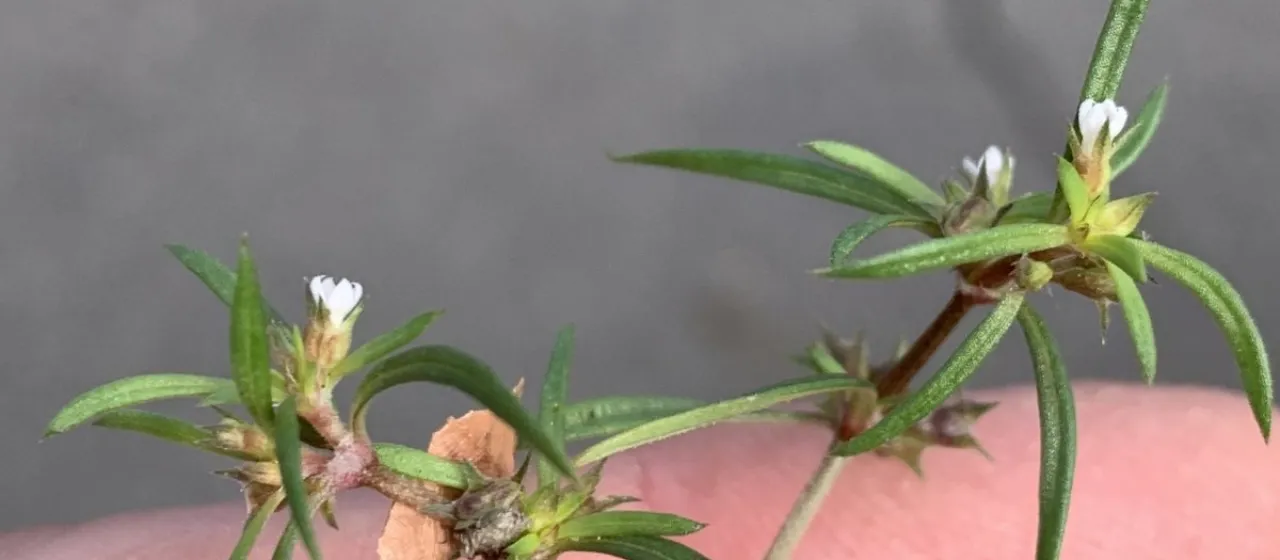
Botanically, Oldenlandia capensis is defined by its slender, often branching stems and small, opposite leaves. The flowers are typically solitary or clustered in small cymes, exhibiting the classic structure of the Rubiaceae family. The root system is relatively shallow, which limits the plant's ability to survive in environments prone to deep drying, emphasizing its requirement for stable soil moisture.
Regarding cultivation requirements, the plant thrives in warm, humid climates with ample light. It prefers nutrient-rich, moist soils that retain water well. Proper agrotechnology for this species includes maintaining consistent soil hydration and ensuring low competition from surrounding weeds, which can easily suppress the growth of Oldenlandia capensis in its early developmental stages.
In terms of economic utility, the plant is valued for its potential medicinal applications, with research ongoing into its chemical compounds. Regarding plant health, it is occasionally susceptible to fungal infections associated with high humidity, such as root rot, and may face grazing pressure from local pests. Effective management relies on proper drainage control and integrated pest management strategies tailored to the crop's unique environment.
- Adaptability to high moisture environments.
- Significant focus on pharmacological research.
- Sensitivity to environmental stressors such as drought.