
Description
Oldenlandia lancifolia is a herbaceous perennial plant belonging to the Rubiaceae family. Recognized for its unique chemical profile, it has garnered attention as a specialized crop suitable for regions with tropical or subtropical climates, where its pharmacological potential can be fully utilized under controlled farming conditions.
The plant originates from the damp, humid regions of Africa and parts of Asia. It is naturally adapted to environments with high soil moisture, frequently inhabiting marshlands and the riparian zones of various water bodies. This ecological background dictates the primary environmental requirements for successful commercial or domestic cultivation.
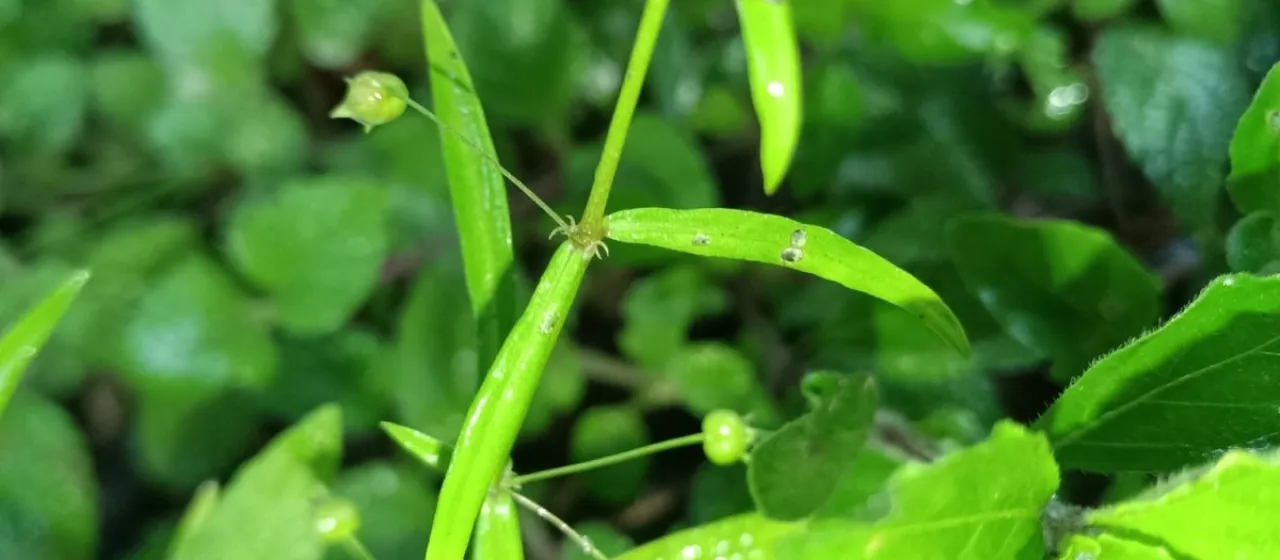
Botanically, the species is identified by its slender, often creeping or ascending stems and distinctive lanceolate leaves arranged in opposite pairs. The root system is shallow and fibrous, enabling the plant to absorb nutrients efficiently from saturated topsoils. The small, pale-colored flowers typically emerge from leaf axils, contributing to the plant's overall modest and delicate appearance.
Agronomic requirements center on maintaining consistent moisture levels and providing a nutrient-rich, organic soil base. The crop thrives best in neutral to slightly acidic soil conditions. Because of its sensitivity to cold, frost protection is mandatory in cooler climates, and greenhouse conditions are often recommended to maintain the necessary ambient temperature of at least 20 degrees Celsius.
Regarding its utility, Oldenlandia lancifolia is primarily valued for its bioactive compounds, which demonstrate significant anti-inflammatory and antioxidant properties. Research into its cultivation focuses on optimizing yield for the herbal medicine market. Furthermore, its ability to thrive in wet conditions makes it a potential candidate for specialized landscaping in humid zones where other ornamentals might struggle.
- High water requirements for optimal biomass production
- Preference for warm, stable climates
- Susceptibility to weed competition in early stages
- Propagation via stem cuttings or high-quality seeds