
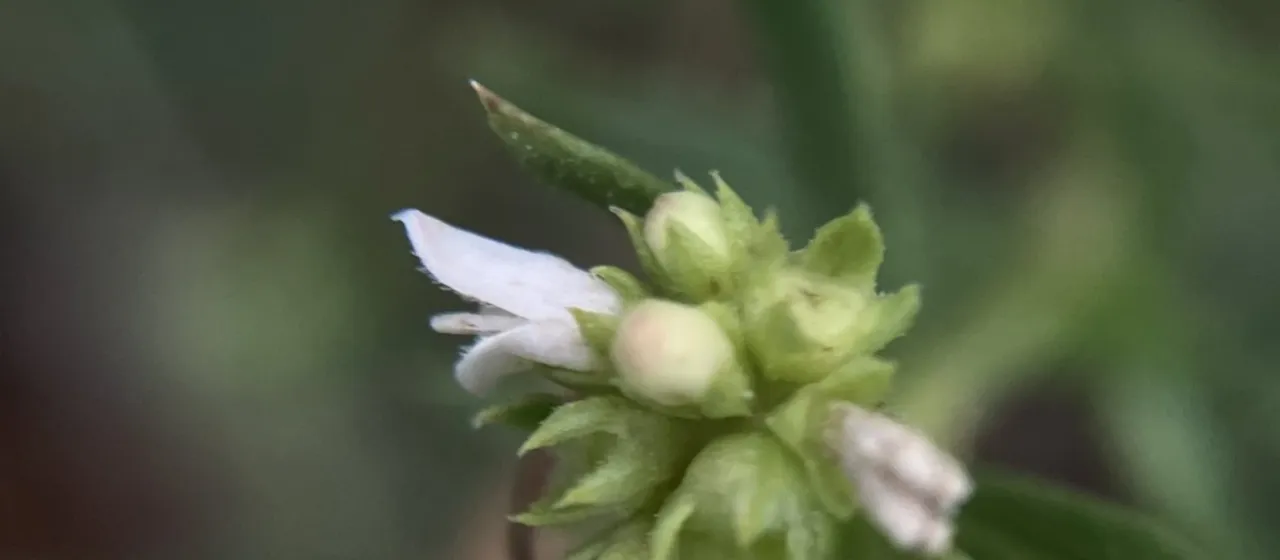
Description
Oldenlandia umbellata is a herbaceous perennial plant belonging to the Rubiaceae family. Within agricultural circles, it is widely recognized as the primary source of a traditional natural red dye, often referred to as "chaya" or "Indian madder," derived from its root system.
Originating from the tropical regions of India and Sri Lanka, the plant is well-adapted to warm climates and poor, sandy soils. Its natural habitat is characterized by sunny, open areas, which are essential for the plant to thrive and develop its characteristic phytochemical composition.
Botanically, the plant is characterized by narrow, opposite leaves and a modest stature. Its most significant feature is the root system, which acts as a storage organ for anthraquinone pigments, providing the deep red color essential for the dyeing industry.
Cultivation requirements for Oldenlandia umbellata focus on sandy, well-draining soils and high exposure to sunlight. Proper site selection is critical, as the plant is highly intolerant of waterlogging, which often leads to severe root decay and production failure.
The primary agricultural and industrial application of this crop lies in the production of organic dyes for fabrics and textiles. Additionally, it holds value in traditional medicine, where its extracts are utilized for their potential anti-inflammatory properties and therapeutic efficacy.
Typical challenges in the management of this crop include sensitivity to excessive humidity and pathogens that target the root zone. Effective cultivation involves maintaining dry soil conditions and regular pest monitoring, particularly during the early stages of plant development.