Description
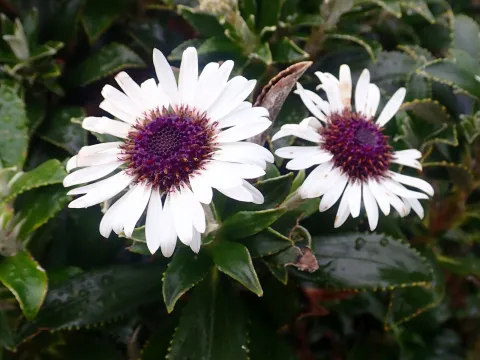
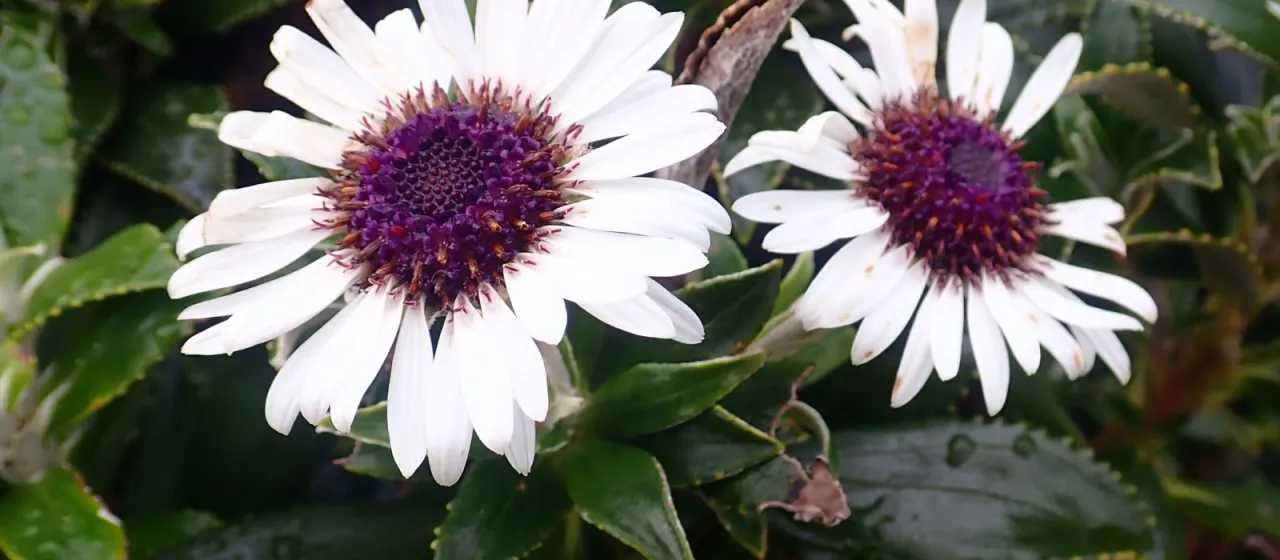
The Chatham Island daisy, scientifically known as Olearia chathamica, is a distinct evergreen shrub belonging to the Asteraceae family. It is endemic to the Chatham Islands, a remote archipelago off the coast of New Zealand. Recognized for its striking appearance, it has become a sought-after plant for maritime and temperate gardens worldwide.
Botanically, the plant is characterized by its broad, leathery, and silvery-felted leaves, which provide a lush, textured appearance. This foliage serves as a natural adaptation to harsh coastal winds. When in bloom, the shrub produces prominent, daisy-like flower heads with white petals and yellow centers, typically appearing in the late spring or early summer months.
Regarding climate requirements, this species thrives in cool, moist, maritime conditions. It is not well-suited for regions with extreme heat or prolonged drought, as these conditions stress the plant significantly. Successful cultivation requires a position with good air circulation, which helps mimic the airy environment of its native island habitat.
The soil for Olearia chathamica must be well-draining, as the roots are highly susceptible to rot if left in standing water. It prefers a slightly acidic or neutral soil mix rich in organic matter. During the growing season, a balanced application of fertilizer can encourage bushier growth and more profuse flowering, but over-fertilizing should be strictly avoided.
- Ensure excellent soil drainage.
- Plant in a sheltered location from strong winds.
- Trim back after flowering to maintain a compact shape.
- Apply mulch to retain consistent soil moisture.
- Monitor for pests like aphids and scale insects.
In terms of хозяйственного (horticultural) use, the plant is primarily utilized as an ornamental feature in coastal landscaping or as a specimen plant in mixed shrub borders. Common challenges include fungal diseases such as leaf spots, particularly in humid conditions, and occasional aphid infestations. Preventive care through proper spacing and moisture management is the best way to keep the shrub healthy.
Photo gallery