Description
Olearia ramulosa, commonly referred to as the twiggy daisy bush, is a perennial evergreen shrub belonging to the Asteraceae family. Known for its dense and intricate branching habit, it is a highly regarded species in ornamental horticulture. Its ability to maintain foliage throughout the seasons makes it an excellent choice for structured garden designs and architectural plantings.
The plant originates from Australia, where it is found across various climatic zones. Its natural habitat includes scrublands and forested areas, which has shaped its resilience to varying soil conditions. While it thrives in Mediterranean-style climates, it has been introduced to other global regions where it is valued for its hardiness and aesthetic appeal in mild-winter landscapes.
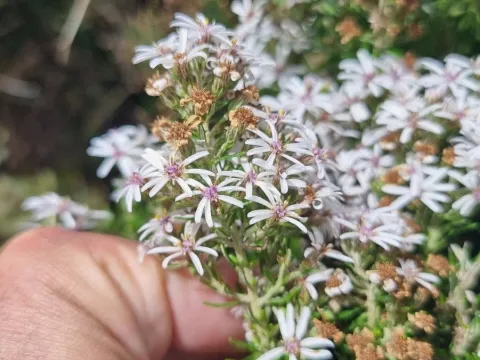
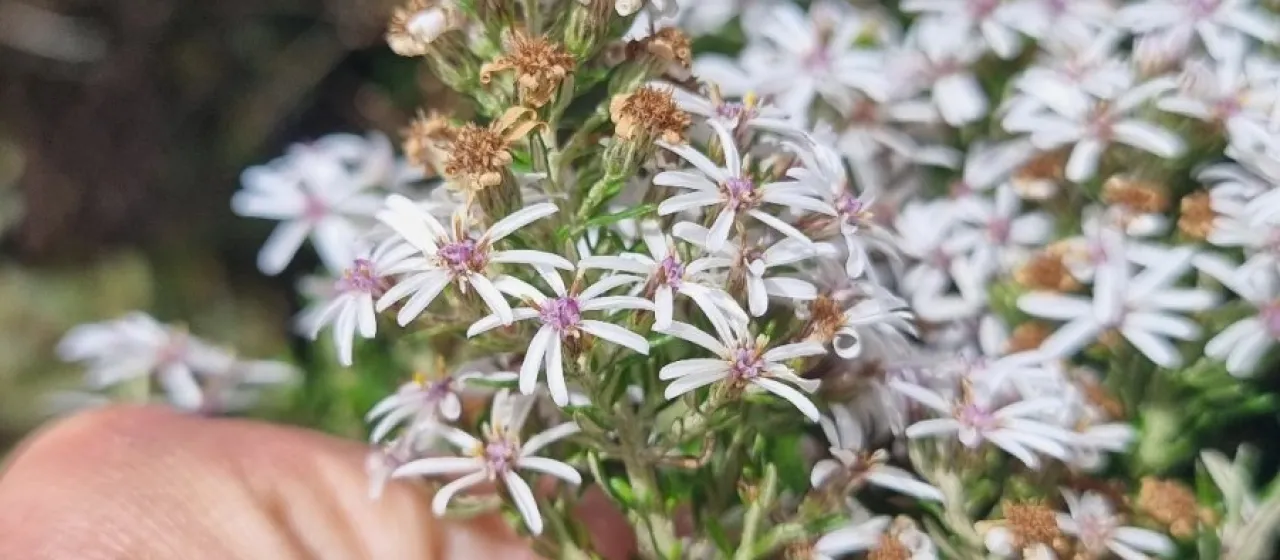
Botanically, Olearia ramulosa is characterized by its small, narrow, often aromatic leaves and a profusion of white, daisy-like flower heads. The flowering season typically peaks in spring and summer, creating a dense canopy of blossoms that obscure the foliage. The plant’s structural integrity and compact nature allow it to be easily shaped through minor intervention.
Successful cultivation requires a location with full sun exposure and soil that offers excellent drainage. While it is adaptable to different soil textures, it flourishes in slightly acidic to neutral substrates. Irrigation should be balanced; providing moisture during dry spells is necessary, but the root zone must remain well-aerated to prevent moisture-related rot. A layer of organic mulch helps maintain soil temperature and moisture levels.
- Provide well-drained, nutrient-rich soil
- Prune lightly after the flowering period ends
- Ensure adequate spacing for air circulation
- Monitor for pests in high humidity conditions
In terms of usage, the plant is widely implemented in coastal landscapes due to its significant tolerance to salt spray. Beyond its ornamental use, it provides habitat for beneficial insects. Common health issues include powdery mildew, typically caused by poor airflow, and occasional infestations by sap-sucking insects like aphids. Integrated pest management and proper cultural practices are essential for sustaining plant vigor.
Photo gallery