Description
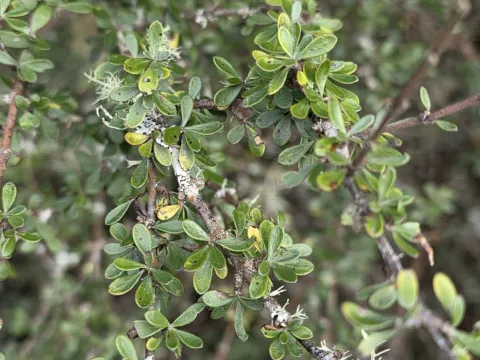
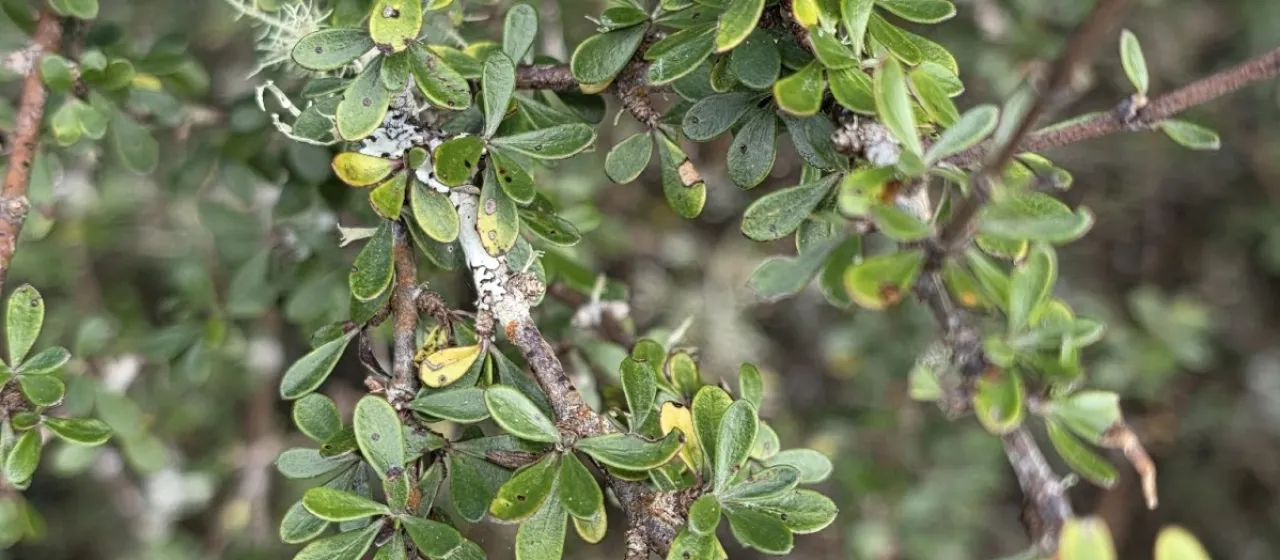
Olearia virgata, commonly known as the twiggy daisy bush, is an evergreen shrub belonging to the Asteraceae family. It is distinguished by its intricate, twig-like branching habit, which gives the plant a graceful and airy aesthetic. This species is highly valued in horticulture for its structural beauty and its ability to serve as a versatile element in garden design, especially in temperate regions.
Originating from New Zealand, this shrub is naturally accustomed to coastal and mountainous landscapes. It has evolved to thrive in cool, moist climates and is particularly noted for its high tolerance to saline winds. Because of its native environment, it flourishes best in areas where summers are not excessively hot and winters remain relatively mild, although it can withstand light frost.
From a botanical perspective, the plant produces tiny, slender leaves and masses of small, white daisy-like flowers during the summer months. The texture of the foliage often varies from dark green to a silvery-grey on the underside, adding visual depth to the plant. Its growth habit is typically dense, making it an excellent candidate for formal topiary or informal screening hedges.
Agricultural and gardening success with Olearia virgata depends heavily on soil drainage. It requires well-aerated soil; waterlogged conditions can lead to rapid root decline. While it is relatively low-maintenance, providing a sunny location is essential to encourage prolific flowering and to maintain the plant's compact form. Occasional pruning is necessary to stimulate new growth and keep the internal structure healthy.
- Exposure: Full sun is preferred for best growth.
- Watering: Moderate, focusing on preventing prolonged saturation.
- Soil Type: Sandy, well-draining, slightly acidic to neutral.
- Propagation: Easily propagated through semi-hardwood cuttings.
- Hardiness: Suitable for USDA zones 8-10.
Regarding pest and disease management, the primary concerns are related to moisture-loving pathogens, such as root rot or powdery mildew in poorly ventilated environments. Aphids may occasionally infest soft new shoots during spring. Proper maintenance, including careful thinning of the canopy to improve air circulation and regular monitoring, is sufficient to keep the plant in good health and protected from most infestations.
Photo gallery