Description
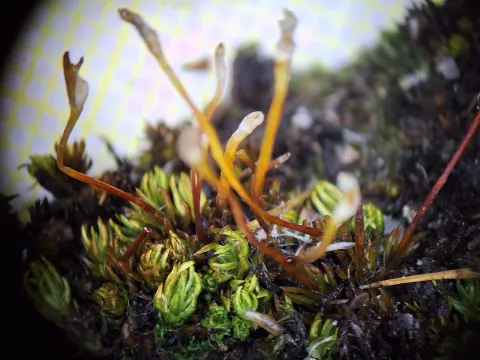
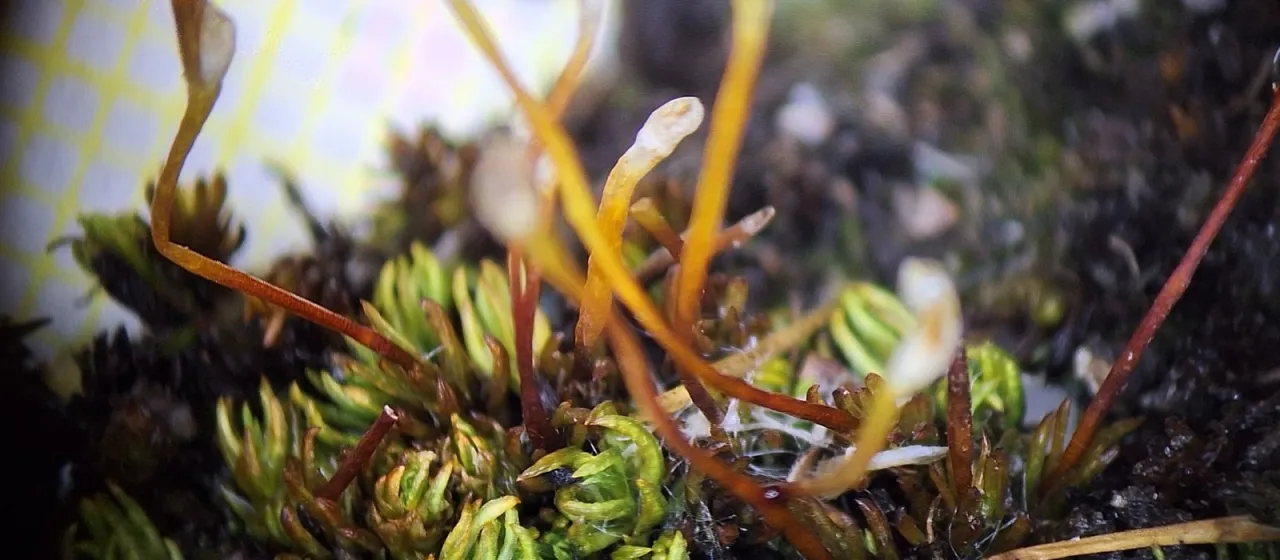
Oligotrichum hercynicum is a species of moss belonging to the Polytrichaceae family. It is important to clarify that this plant is not an agricultural crop in the traditional sense; it has no commercial, food, or industrial application in farming. It is recognized by botanists and ecologists as a significant element of the bryophyte flora in specific regions.
The distribution range of this moss primarily includes temperate regions, with a notable presence in mountainous and forest areas across Europe. It thrives in environments that provide consistent moisture and stable temperatures. It is often found in areas that have been disturbed, as it acts as a pioneer species in colonizing bare ground.
Botanically, this species is characterized by its small, tufted growth habit. The stems are typically erect, and the leaves have specific anatomical features that assist in water retention. Like other members of the Polytrichaceae family, it relies on the production of spores within specialized capsules for its reproduction cycle.
The habitat requirements for Oligotrichum hercynicum include well-drained but moist acidic soils. It is often observed on embankments, pathsides, and screes where competition from larger vascular plants is limited. Its ecological role is significant as it contributes to moisture retention and protects the soil surface from erosion.
As this species is not cultivated, there is no specific agronomy, fertilization, or pest control program associated with it. However, it is an interesting subject for ecological restoration studies, as its ability to survive in harsh conditions is remarkable. Key ecological features include:
- Pioneer colonization of bare and disturbed soil.
- Resilience to cool and humid climatic conditions.
- Contribution to soil structure and microhabitat creation.
Photo gallery