
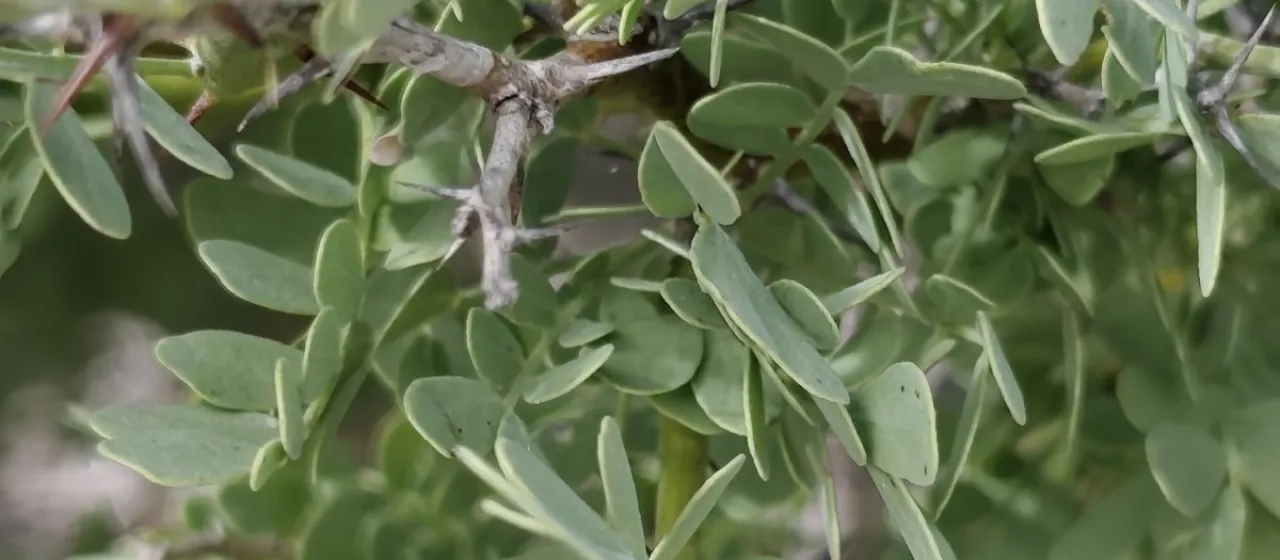
Description
Olneya tesota, commonly known as the Desert Ironwood, belongs to the Fabaceae family. As the sole member of its genus, this tree is a cornerstone of the Sonoran Desert ecosystem. It is highly regarded for its longevity and its ability to act as a nurse plant, providing shade and micro-climates for seedlings of other desert species.
The native range of Olneya tesota is concentrated in the arid regions of the southwestern United States and northwestern Mexico. It is not a typical crop for high-yield farming but is increasingly significant in xeriscaping and sustainable agriculture in arid zones. The tree requires specific environmental triggers, primarily heat and lack of frost, to thrive.
Botanically, it is a slow-growing evergreen or semi-deciduous tree. It features stiff, sharp thorns and bipinnate leaves that are specially adapted to reduce transpiration. The flowers range from pale pink to violet, attracting various pollinators, while the fruit is a flattened pod containing nutritious, edible seeds that mature after the flowering season.
Regarding cultivation, the primary requirement is excellent soil drainage. Olneya tesota does not tolerate waterlogged soil, which can quickly lead to root rot. While it is highly drought-tolerant, supplemental irrigation during the seedling stage is vital for establishment. It requires full sun exposure to maintain its dense foliage structure and health.
The economic value of this tree is derived primarily from its dense, high-quality wood, which is one of the heaviest in the world and is prized for fine woodworking. Beyond its timber, it is a protected species in several regions, emphasizing the importance of sustainable harvesting. It also serves as a critical food source and shelter, making its preservation a priority in agricultural and ecological management.
- Wood density that exceeds the density of water.
- Strong nitrogen-fixing capabilities in arid soils.
- High resistance to common desert pests and fungal infections.
- A central role in desert biodiversity conservation.