Description
Japanese navelwort (Omphalodes japonica) is a charming herbaceous perennial belonging to the Boraginaceae family. This species is highly valued in horticulture for its ability to form a lush, low-growing mat of foliage, making it a perfect choice for ground cover in shaded areas where many other plants struggle to thrive.
The species originates from the forest regions of East Asia, specifically Japan. In its natural habitat, it thrives in cool, moist, and nutrient-rich soil environments typical of temperate woodland floors. As a cultivated plant, it has become a favorite among gardeners for its resilience and graceful aesthetic, fitting well into various landscape designs.
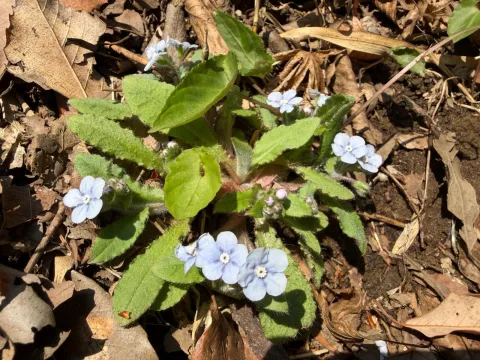
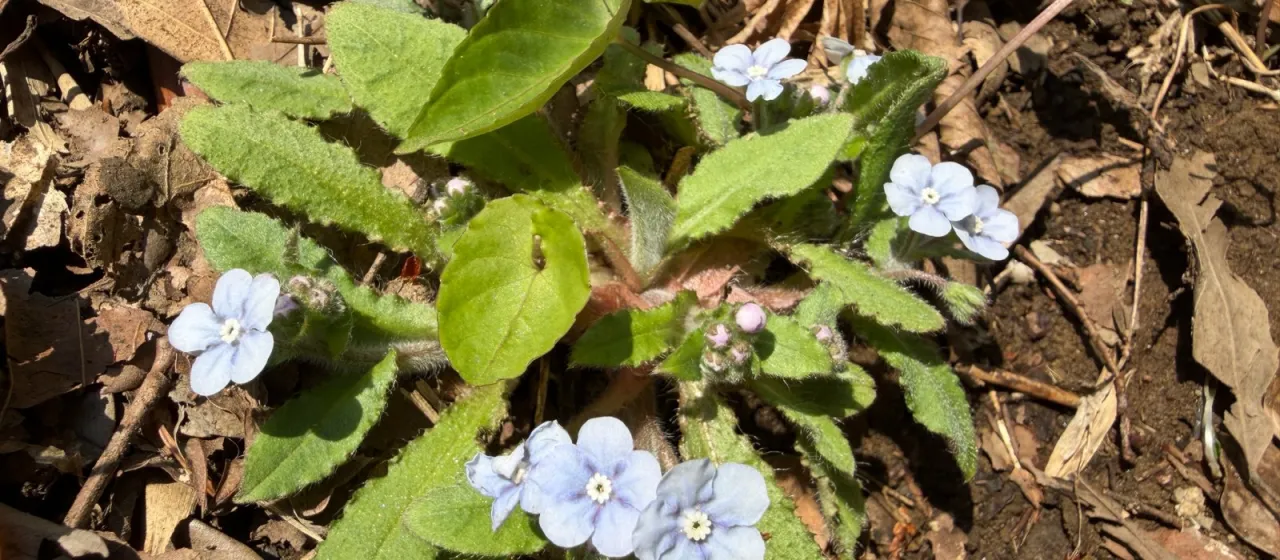
Botanically, it is characterized by creeping rhizomes and heart-shaped leaves that remain attractive throughout most of the growing season. The inflorescences appear in spring, bearing delicate, sky-blue to white flowers that bear a striking resemblance to those of the forget-me-not, which is a close relative of this plant.
Successful cultivation requires attention to environmental conditions. It demands rich, moisture-retentive, and well-drained soil. Regular irrigation is crucial, especially during dry spells, as the plant does not tolerate drought well. It performs best in partial to full shade, sheltered from the intensity of direct midday sun, which can scorch its leaves.
- Light: Partial shade to full shade.
- Moisture: Consistent soil moisture is necessary.
- Growth Habit: Spreading rhizomatous mat.
- Maintenance: Minimal pruning needed after flowering.
The primary use of Japanese navelwort is for decorative landscaping, particularly in woodland gardens, rock gardens, or as an underplanting for shrubs. While it is generally a robust plant, it can be susceptible to fungal issues like powdery mildew if air circulation is poor or if the site remains excessively wet. Gardeners should also keep an eye out for slugs and snails, which may graze on the foliage in spring.
Photo gallery