Description
Lucilia's navelwort (Omphalodes luciliae) is a perennial herbaceous plant belonging to the Boraginaceae family. It is highly regarded in horticultural circles for its aesthetic appeal, specifically for its delicate, sky-blue flowers and glaucous, silvery-green foliage.
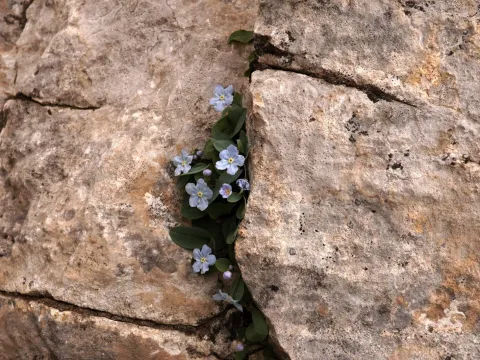
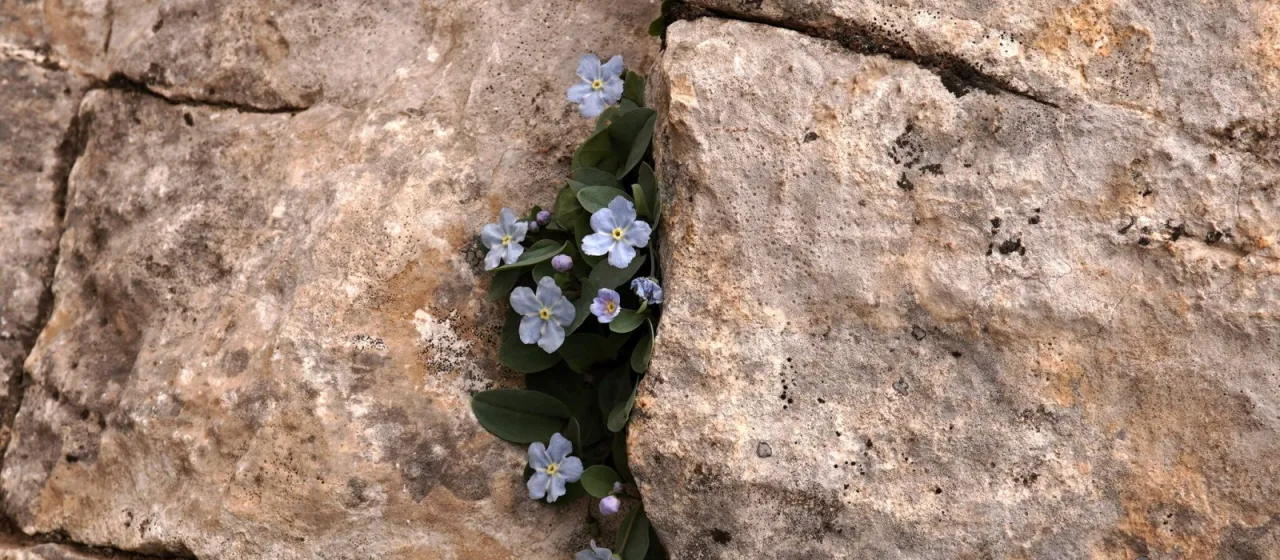
The plant originates from the mountainous regions of Asia Minor and Greece. In its natural habitat, it grows in rocky crevices and screes. This geographical history is crucial for understanding its cultivation needs, as it requires conditions that mimic high-altitude environments to thrive in a domestic garden setting.
Botanically, it forms low, dense clumps typically reaching 10 to 15 centimeters in height. The foliage is smooth with a distinct waxy coating, providing a beautiful contrast to the bright, ephemeral flowers. The flowering period is characterized by slowly uncoiling racemes that offer visual interest for several weeks during late spring and early summer.
Agronomic requirements are centered on excellent drainage and specific soil composition. The plant demands a lime-rich, gritty substrate to prevent root rot, which is the most common cause of failure in cultivation. It prefers semi-shaded positions where it can be protected from the harsh, direct sun of the hottest part of the day.
In terms of хозяйственное (horticultural) use, this species is exclusively ornamental. It is best suited for the following applications:
- Alpine gardens and rock crevices.
- Troughs and containers with high-drainage substrates.
- Dry stone wall plantings.
Regarding health and protection, the primary concerns are gastropods, such as slugs and snails, which feed on the foliage. Additionally, root rot remains a persistent threat if the soil remains waterlogged. Ensuring good air circulation and preventing excessive moisture around the crown are key to maintaining a healthy population.
Photo gallery