Description
Creeping navelwort (Omphalodes verna) is a perennial herbaceous plant belonging to the Boraginaceae family. In agriculture and ornamental horticulture, it is widely utilized as a shade-tolerant groundcover that forms lush, spreading mats, making it an excellent choice for filling difficult dark spaces in gardens and forest-edge areas.
Originating from Central and Southern Europe, this species thrives in mountainous forests and cool, shaded regions. Its natural adaptation to forest habitats makes it a resilient choice for temperate climates, where it exhibits strong winter hardiness and an ability to establish itself effectively in woodland conditions without invasive behavior.
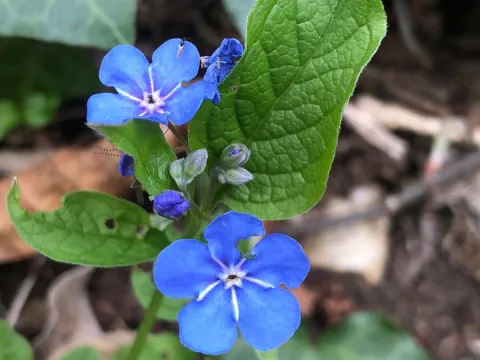
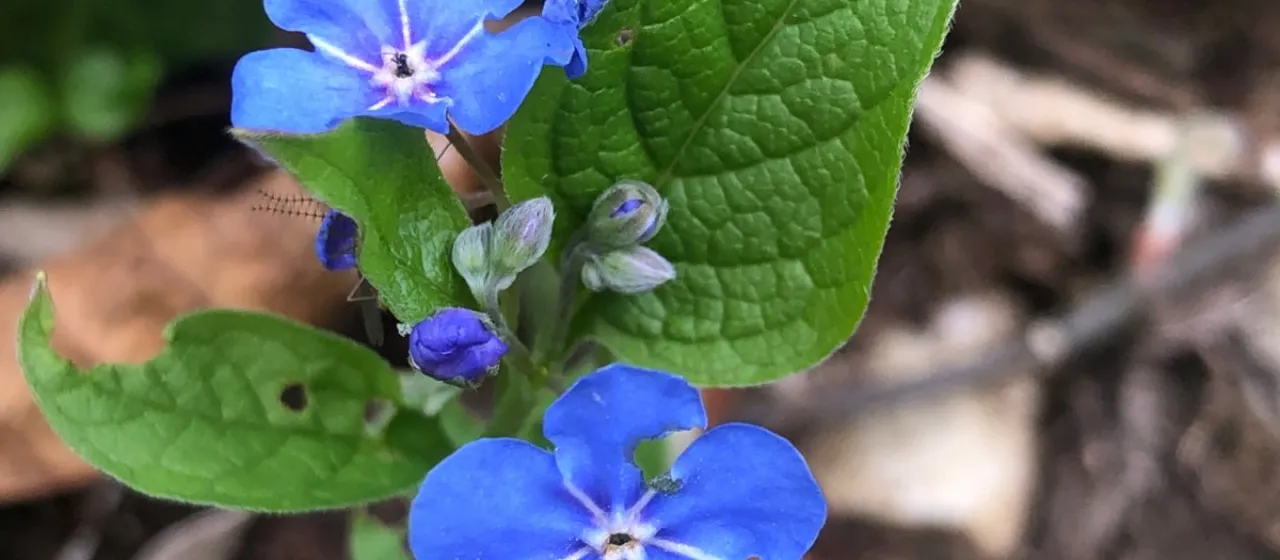
The botanical structure of the plant features creeping stolons that facilitate rapid vegetative propagation. The leaves are ovate to heart-shaped, providing a verdant canopy, while the flowers are distinct for their vibrant blue petals and a clear white center, often appearing as early as mid-spring to provide color when many other perennials have yet to bloom.
Cultivation requirements focus on replicating forest conditions: the soil must be rich, moist, and well-draining, with a preference for slightly acidic to neutral pH levels. The plant is highly intolerant of drought and intense, direct sunlight, which causes immediate leaf scorch and dehydration; therefore, strategic placement under tree canopies or on north-facing walls is essential.
- Soil prep: Enrich with organic compost or leaf mold.
- Spacing: Maintain 20–30 cm between plants for mat coverage.
- Watering: Keep soil consistently moist but never waterlogged.
- Propagation: Divide root clumps in spring or early autumn.
Host-wise, Creeping navelwort is remarkably robust and rarely suffers from severe pest infestations. While generally healthy, it can occasionally encounter issues with fungal pathogens, such as root rot, if drainage is poor. Proper air circulation and avoiding overhead irrigation during humid spells are key agronomic practices to ensure the plant's long-term health.
Photo gallery