
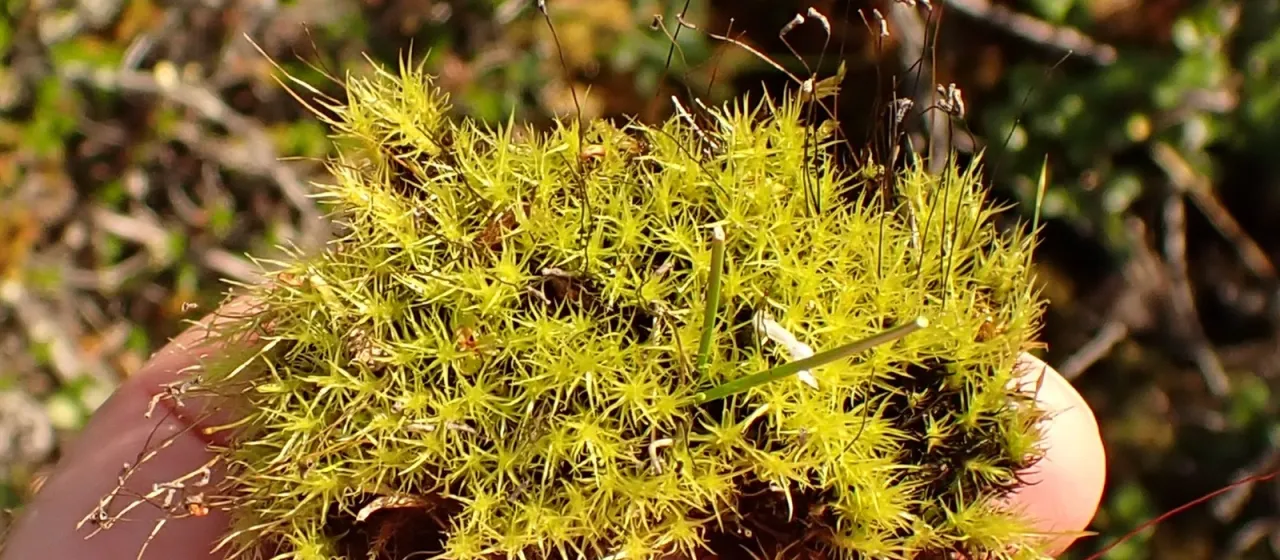
Description
Oncophorus virens is a perennial moss species belonging to the Dicranaceae family. While not a conventional agricultural crop, it is a significant botanical subject within the context of arctic and boreal vegetation. As a bryophyte, it thrives in specific ecological niches where moisture levels remain consistently high throughout the growing season.
The distribution range of this species is circumpolar, found extensively across the Northern Hemisphere in arctic, subarctic, and temperate regions. Its primary habitats include stream banks, marshy areas, tundra soils, and rocky crevices that provide stable humidity. The plant is exceptionally well-adapted to surviving the severe cold associated with these high-latitude environments.
Botanically, Oncophorus virens is identified by its dense, bright to yellowish-green tufts. The stems are upright and densely covered with subulate (awl-shaped) leaves. A distinct diagnostic feature is the appearance of curved, cernuous capsules borne on long setae, which release spores once mature. The leaf structure is notably crispate when dry, allowing the plant to conserve moisture.
Regarding environmental requirements, the moss is strictly dependent on a moist, acidic to neutral substrate. In terms of biological maintenance, it does not require agricultural cultivation techniques such as tillage or fertilization. In fact, it is highly sensitive to chemical disturbances, making it an excellent bioindicator for environmental purity and stable hydro-regimes.
The ecological importance of this moss lies in its contribution to soil stabilization and water retention within fragile tundra ecosystems. It prevents erosion and provides a micro-habitat for various microorganisms. While it has no role in industrial agriculture, it is a crucial component of biodiversity and a key species for researchers studying the health of northern wilderness areas.