
Description
Wahlenberg's Oncophorus (Oncophorus wahlenbergii) is a species of moss within the Dicranaceae family. While it is not classified as an agricultural crop, it serves as a critical biological component in northern hemisphere ecosystems, providing insight into the biodiversity of arctic and temperate zones.
This moss species is widely distributed across the northern regions of Europe, North America, and Asia. It typically thrives in damp environments, including arctic tundra, peatlands, and wet woody substrates. It is a hardy species that occupies niches where soil moisture is consistently available throughout the growing season.
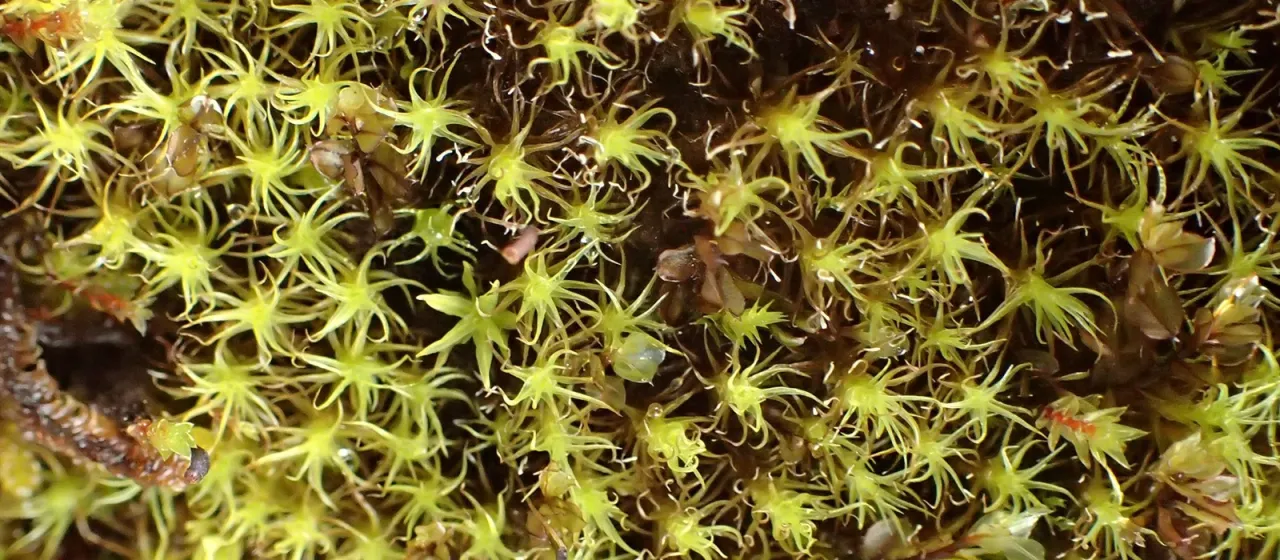
Morphologically, Oncophorus wahlenbergii is recognized by its dense, cushion-like mats which vary in color from deep green to yellow-green. The leaves are narrow and linear, possessing a robust costa that occupies a large portion of the leaf base. This structural adaptation helps the plant manage water storage under varying environmental stressors.
Regarding its habitat requirements, the species relies on high humidity and specific soil pH levels to maintain its physiological processes. There is no commercial agricultural technology for this species, as it is strictly a wild-growing organism. Its growth is primarily influenced by natural successional stages rather than human-managed cultivation practices.
In terms of ecological importance, this moss acts as a soil stabilizer and a contributor to organic matter accumulation. It does not face traditional agricultural pests, though its population health is highly sensitive to hydrological changes in its environment. Conservation of its native habitat remains the primary strategy for ensuring its continued existence in the wild.