
Description
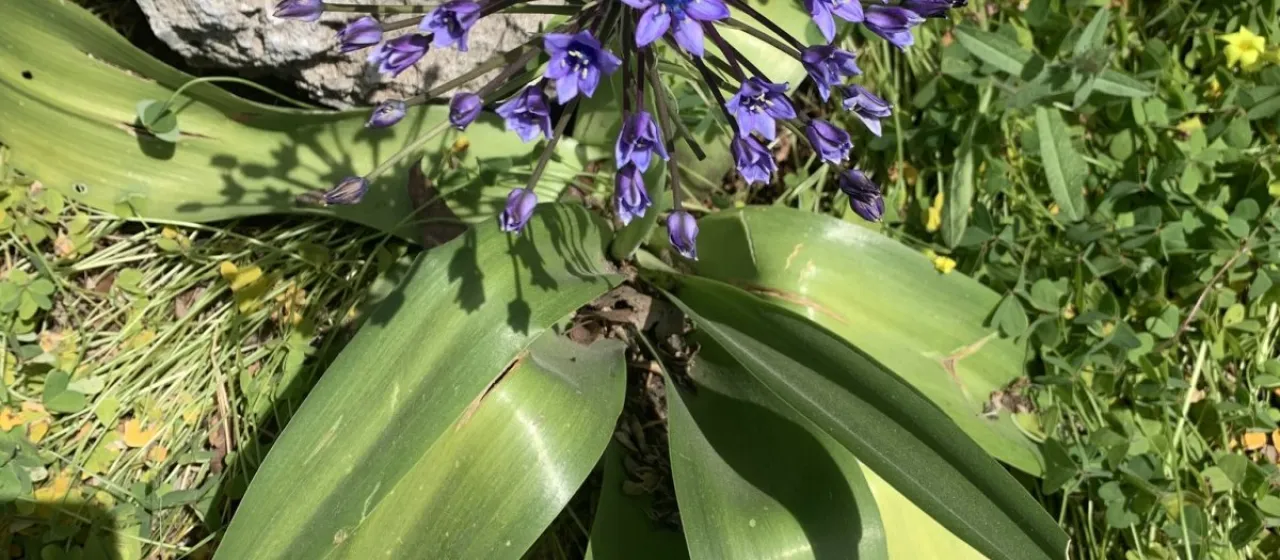
Oncostema elongata is a perennial bulbous plant species belonging to the Asparagaceae family. Historically associated with the genus Scilla, this plant has been reclassified to reflect its distinct morphological traits and specific ecological requirements, placing it firmly within the Oncostema genus in modern botanical studies.
The origin of this species is traced to the Mediterranean region, particularly North Africa. Its natural habitat consists of rocky slopes and open, arid grasslands. The plant has evolved as an ephemeral, completing its vegetative cycle in the early spring before the onset of the intense summer heat typical of its native climate.
Botanically, it features a small to medium-sized bulb that supports a cluster of linear leaves and a solitary or branched flowering stem. The flowers are generally displayed in racemes and exhibit a range of blue shades. After pollination and seed set, the foliage rapidly yellows and withers, allowing the plant to remain dormant underground until the next season.
The agronomic requirements for Oncostema elongata demand well-drained, nutrient-poor, yet mineral-rich soils. It is critical to provide high light intensity for optimal growth and flowering. Water management is the most significant aspect of cultivation; irrigation must be ceased entirely during the summer dormancy period to prevent bulb rot and fungal infections.
In terms of economic and practical use, the culture is primarily significant for specialized ornamental horticulture and botanical collections. It is often utilized in rock garden designs that mimic its natural Mediterranean environment. Key management challenges include the following:
- Sensitivity to root rot caused by poor soil drainage.
- Susceptibility to viral pathogens transmitted by insects.
- Damage caused by small rodents that may feed on the bulbs.
- Need for protection against extreme frost in non-native climates.