
Description
Equal-toothed sainfoin (Onobrychis aequidentata) is an annual herbaceous plant belonging to the Fabaceae family. As a significant member of the sainfoin genus, this species is valued in agricultural practices for its rapid establishment and ability to thrive in environments where perennial legumes might struggle to survive due to water limitations.
The plant originates from the Mediterranean basin and surrounding regions, where it has adapted to dry, sunny climates. Its natural range encompasses various semi-arid landscapes, making it an excellent candidate for cultivation in regions with limited rainfall and high temperatures during the growing season.
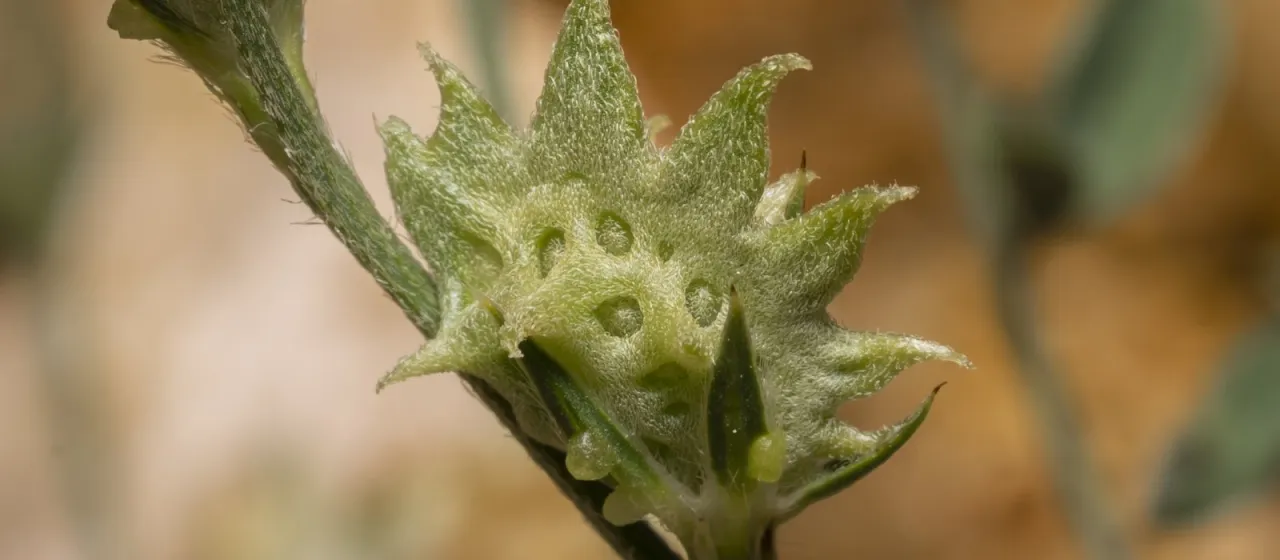
Botanically, this sainfoin is characterized by its pinnate leaves and distinctive pink to purple racemes. The species name, aequidentata, refers to the small, uniform teeth found along the margins of the pods. These morphological traits contribute to its identification and differentiate it from more common perennial varieties of sainfoin.
In terms of agronomy, the crop prefers well-drained, calcareous soils and requires high solar radiation. It is highly drought-tolerant and performs well in poor or skeletal soils, significantly reducing the need for chemical fertilizers due to its nitrogen-fixing capabilities through symbiotic relationship with specific soil bacteria.
The agricultural utility of equal-toothed sainfoin spans several key areas:
- Production of high-quality forage for livestock grazing and hay.
- Soil improvement through nitrogen accumulation and organic matter incorporation.
- Erosion control on sloped or unstable landscapes.
- Support for pollinator populations as a nectar-rich floral source.
The main challenges in cultivating this crop involve managing common pulse pests, such as weevils, and preventing fungal diseases like powdery mildew. Effective management includes proper field sanitation, selecting appropriate seed densities, and monitoring moisture levels during the seedling stage to ensure strong establishment and high yield potential.