
Description
White sainfoin (Onobrychis alba) is a perennial herbaceous plant belonging to the legume family (Fabaceae). Known for its robustness and nutritional value, this crop is valued in agriculture for its ability to thrive in challenging environments and improve soil nitrogen levels.
The native range of this species extends across the mountain and steppe regions of Europe and the Caucasus. It is naturally adapted to dry climates and alkaline soils, making it an excellent candidate for agricultural production in semi-arid conditions where other legumes might struggle to survive.
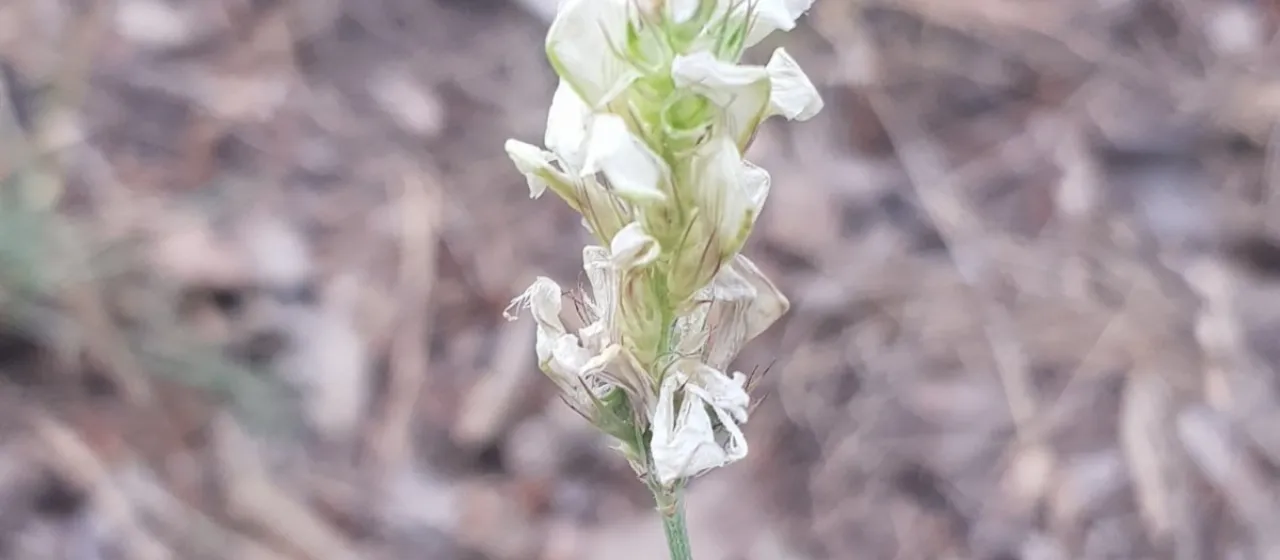
Botanically, the plant is characterized by a deep taproot, which allows it to access water reserves in deeper soil layers, and pinnate leaves. The flowers are arranged in dense white racemes, which are highly attractive to pollinators. Its structural integrity supports biomass accumulation even during limited rainfall periods.
Regarding agronomic requirements, white sainfoin prefers well-drained, calcareous soils with a neutral or alkaline pH. It is sensitive to waterlogging, which can cause root rot. Proper site selection and seedbed preparation are essential for ensuring successful establishment and long-term productivity of the stand.
The crop is utilized primarily as high-quality forage for livestock, providing excellent protein content. Beyond its value as hay or pasture, it is a significant honey plant, producing high-grade floral honey. Common pests include weevils, while fungal diseases can be managed through rotation and by maintaining optimal plant density.