Description
Graceful sainfoin (Onobrychis gracilis) is a perennial herbaceous plant belonging to the Fabaceae family. It is a highly regarded forage crop known for its superior nutritional value, palatability, and remarkable ability to thrive in challenging semi-arid environments where other legumes might fail.
The species originates from Southeast Europe and the Balkan Peninsula. Its cultivation range is currently concentrated in steppe and forest-steppe zones, where it is utilized for its exceptional drought tolerance and its efficiency in stabilizing soil structure in marginal lands.
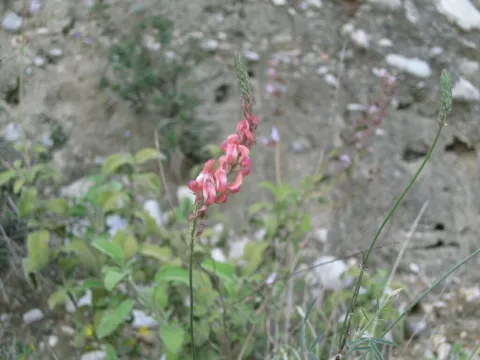
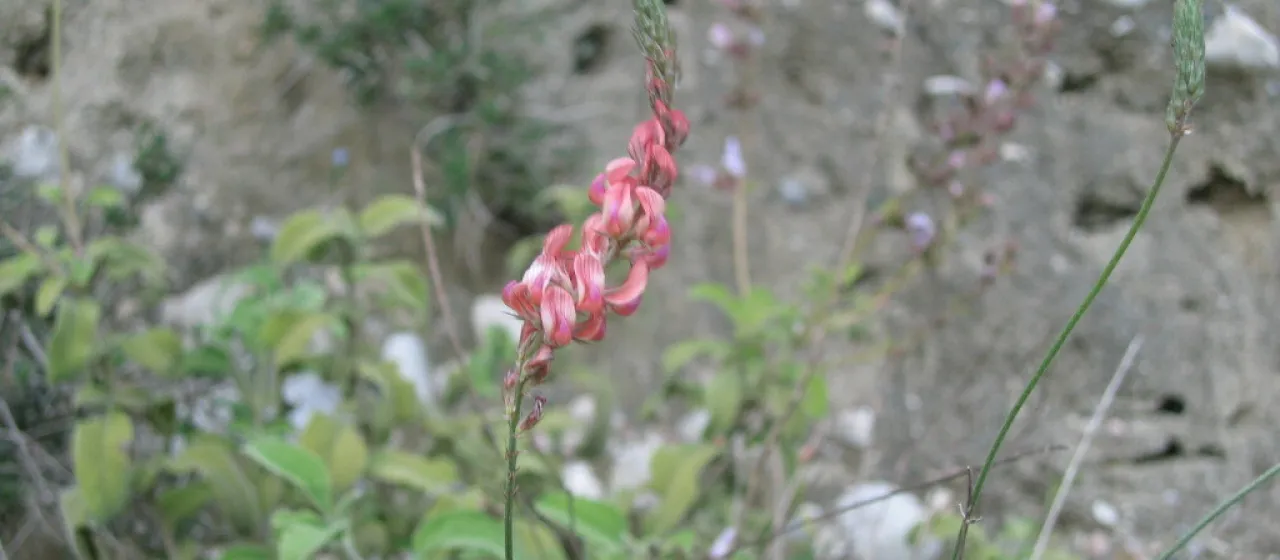
Botanically, it features a robust taproot system that facilitates moisture uptake from deep soil layers, alongside feathery compound leaves. The flowers are arranged in dense, pinkish-purple racemes, making the plant a preferred source of nectar for pollinators, which enhances the overall biodiversity of the agricultural ecosystem.
The crop thrives in well-drained, calcareous, or loamy soils and requires minimal specialized inputs once established. Agricultural management involves proper site preparation to ensure uniform germination, as well as timely cutting for forage to maximize nutrient content. It is known to significantly improve soil nitrogen levels through symbiotic fixation.
The primary agricultural application is the production of high-protein hay and grazing forage for livestock. Beyond its feed value, it is used for erosion control and as a nectar source for bees. Common agricultural challenges involve managing fungal diseases like rust and pests such as root-nodule weevils, which require integrated pest management strategies.
Photo gallery