Description
Vassilczenko sainfoin (Latin: Onobrychis vassilczenkoi) is a perennial herbaceous plant belonging to the Fabaceae family. As a specialized forage crop, it is recognized for its exceptional nutritional quality, providing high-protein feed that is essential for livestock production and land sustainability.
The native distribution of this species is primarily focused on the mountainous and foothill regions of Central Asia. Being biologically adapted to rugged environments, the plant has evolved in semi-arid and continental climates, which imparts a high degree of cold tolerance and survival capabilities in regions where water resources are restricted.
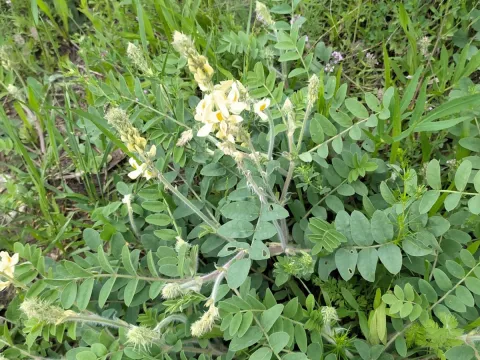
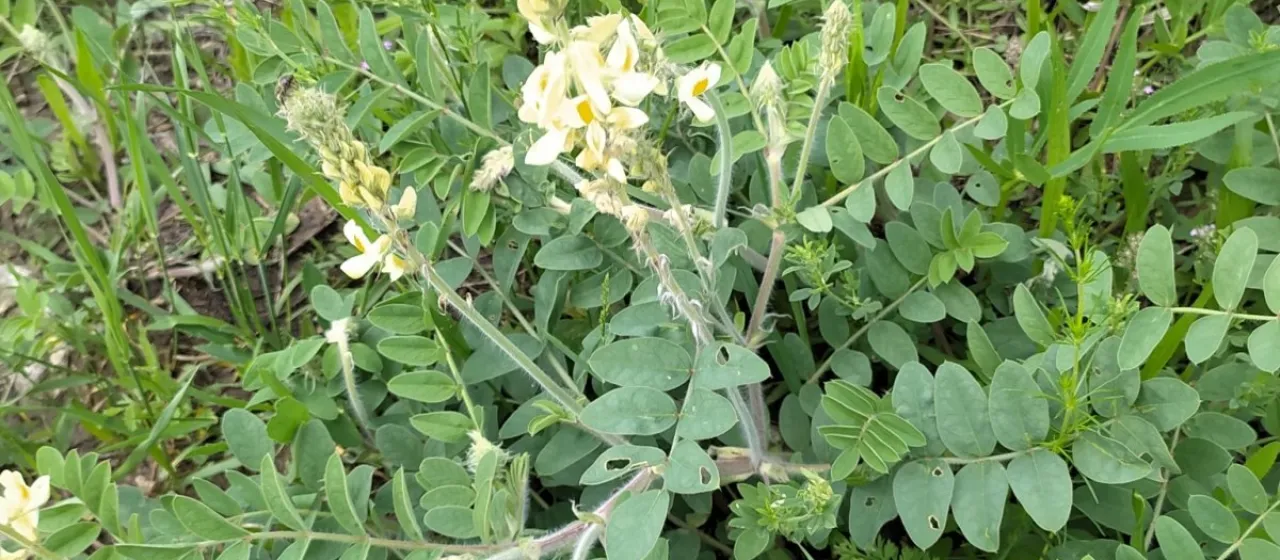
Botanically, the plant features a robust taproot system that reaches significant depths, allowing it to thrive in arid soils. Its structural morphology includes pinnate leaves and dense, spike-like racemes featuring vibrant flowers, which not only facilitate seed production but also serve as a vital nectar source for local pollinator populations.
Regarding agrotechnical requirements, Vassilczenko sainfoin performs best in well-drained, alkaline or neutral soils. It is highly sensitive to soil acidification and waterlogging, meaning field selection must prioritize locations with proper aeration. Proper sowing depth and weed suppression during the establishment phase are critical for long-term productivity and stand longevity.
In terms of agricultural utility, it serves as a premium source of hay and pasture fodder, known for its ability to reduce bloat in ruminants compared to alfalfa. The crop also plays an essential role in soil health, acting as an effective nitrogen fixer. Producers must remain vigilant against common pests such as root-feeding insects and various fungal pathogens that can impact yield density if left unmanaged.
Photo gallery