
Description
Aragonese restharrow (lat. Ononis aragonensis) is a perennial subshrub belonging to the Fabaceae family. It is primarily found in the mountainous regions of Southwestern Europe, showing a distinct preference for the high-altitude rocky landscapes of the Pyrenees.
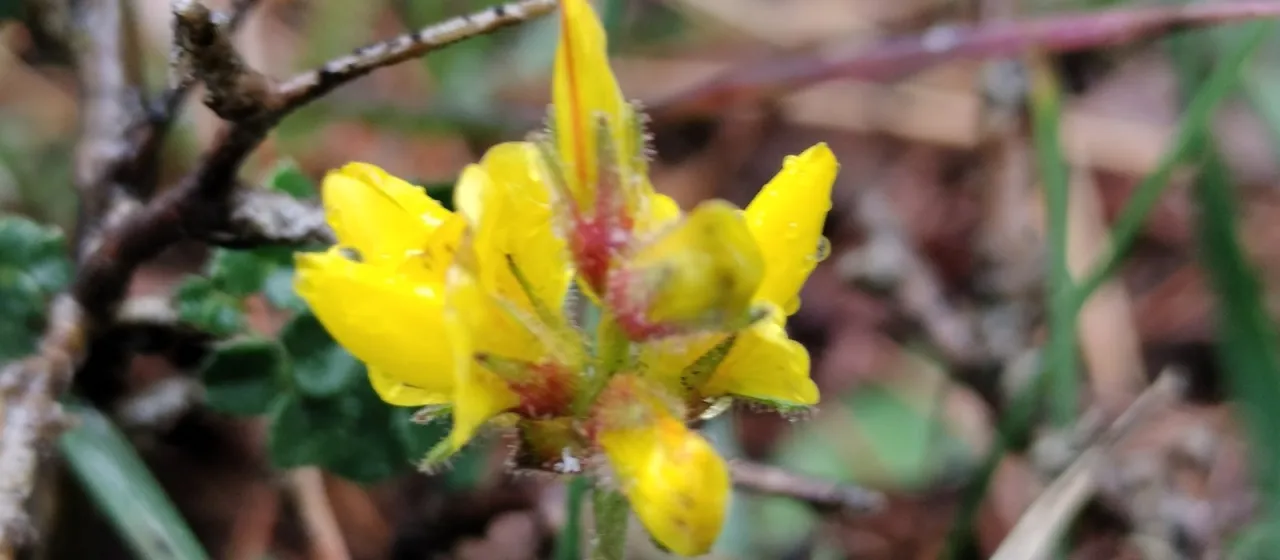
The botanical profile of this species is characterized by its woody base, pubescent foliage, and yellow pea-like flowers. Its root system is particularly developed, allowing the plant to penetrate narrow rock fissures and survive in nutrient-poor, limestone-based soils where competition with other species is relatively low.
Regarding climate and soil requirements, this culture is highly adapted to temperate alpine conditions. It thrives in well-drained, alkaline soils and requires high sun exposure to complete its vegetative cycle. It is notably drought-tolerant once established, owing to its evolutionary adaptation to the Mediterranean mountainous climate.
Agricultural management of Ononis aragonensis focuses on its low-maintenance nature. Since it is a nitrogen-fixing plant, it improves soil fertility naturally. Key cultivation practices include ensuring sufficient soil drainage and avoiding over-irrigation, which is the most frequent cause of root decay in this species.
The plant is primarily utilized for its medicinal properties and its ability to prevent soil erosion in sensitive areas. While generally hardy, it can be susceptible to specific fungal diseases such as powdery mildew under conditions of poor air circulation and excessive humidity, as well as minor infestations by sap-sucking insects.