Description
Curly restharrow (Ononis crispa) is a perennial herbaceous plant belonging to the Fabaceae family. It is a resilient species known for its hardiness and ability to thrive in challenging environmental conditions where conventional crops often fail to establish successfully.
The species originates from the Mediterranean region, where it naturally occupies rocky landscapes and dry, sun-drenched habitats. It has evolved to survive in areas with limited annual rainfall and poor soil quality, making it a potentially valuable candidate for ecological restoration projects and sustainable land management in arid climates.
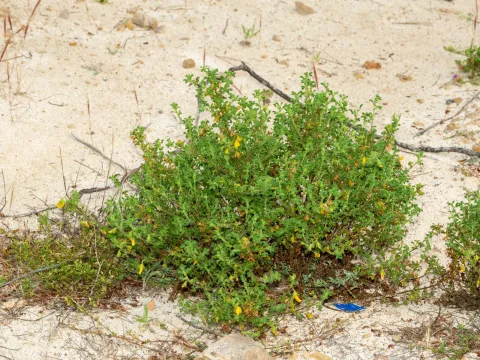
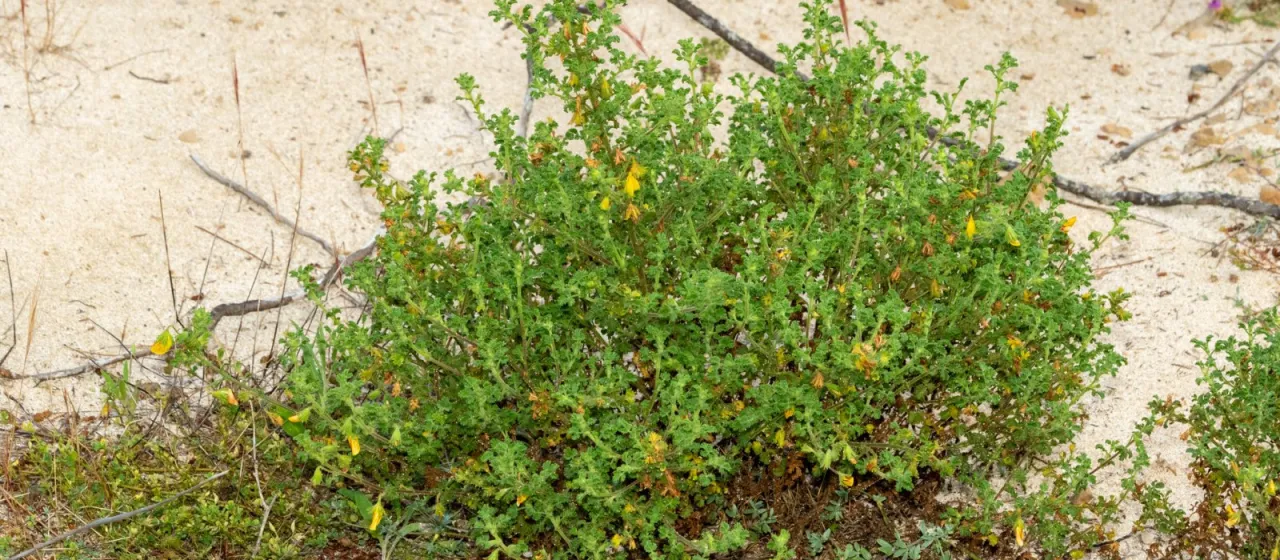
Botanically, the plant is characterized by its glandular stems and distinctively crisped or wavy leaf margins, which serve as its defining visual feature. It produces attractive pinkish-purple flowers typical of the pea family. Its deep-reaching taproot system is essential for nutrient uptake and soil stabilization, allowing the plant to withstand extended periods of drought.
Agricultural management requires careful site selection, prioritizing well-drained, lime-rich soils with full exposure to sunlight. Excessive irrigation is generally detrimental to this plant, as it is highly susceptible to root diseases under waterlogged conditions. Propagation is usually achieved through seeds, and plants require moderate spacing to allow for proper airflow and development.
In terms of economic use, the curly restharrow is primarily valued for its medicinal properties, particularly the roots, which contain active compounds used in diuretic and anti-inflammatory formulations. Furthermore, it serves as a robust honey plant, contributing to local biodiversity by attracting essential pollinators. Management of the plant requires monitoring for specific pests and diseases to ensure yield quality.
Common challenges in cultivating this species include:
- Fungal pathogens such as root rot caused by poor soil drainage.
- Insects such as weevils that feed on foliage and seed pods.
- Competition from invasive weeds during the early establishment phase.
Photo gallery