
Description
Shrubby restharrow (Latin: Ononis fruticosa) is a perennial subshrub belonging to the Fabaceae family. Unlike other species in the genus, this plant is characterized by its woody structure, making it a robust and durable addition to landscapes and specific botanical cultivation projects.
The species is native to Southern Europe and the Mediterranean region. It naturally thrives in dry, rocky terrain and calcareous soils, which has shaped its physiological ability to withstand prolonged heat and water scarcity, making it an excellent candidate for xeriscaping and sustainable agriculture in arid climates.
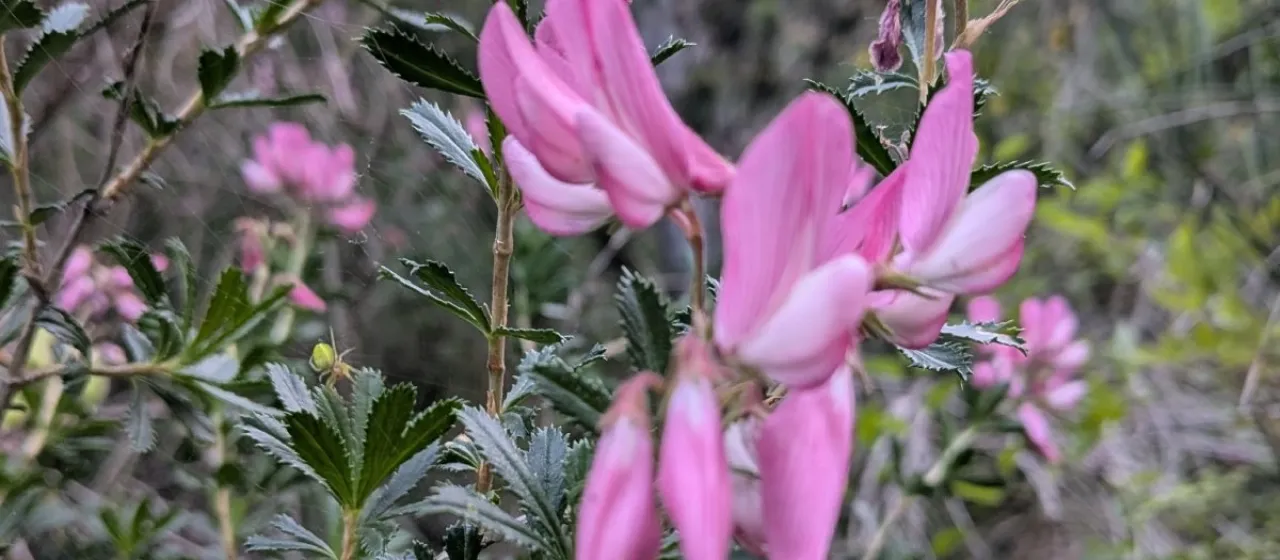
Botanically, it forms a low-growing, branched shrub with leathery, trifoliate leaves. During late spring and early summer, the plant produces abundant pink or purple pea-like flowers. Its architecture is naturally compact, requiring little intervention to maintain its preferred shape in a garden or field environment.
Agronomic requirements emphasize the need for well-draining, slightly alkaline soil. Overwatering is the most common cause of failure in its cultivation, as the plant is susceptible to root rot in waterlogged conditions. It should be positioned in full sun to ensure optimal development and resistance to common environmental stressors.
In terms of usage, Ononis fruticosa is primarily appreciated for its ornamental value in rock gardens and borders. Furthermore, it serves a role in ecological restoration on degraded slopes. While pests are rarely an issue, aphids may occasionally appear during extreme droughts; however, the plant generally remains healthy with minimal maintenance.
- High drought tolerance
- Ideal for calcareous, rocky soils
- Low maintenance needs
- Significant aesthetic value in floral displays