Description
Bristly restharrow (Ononis hispida) is a perennial herbaceous plant belonging to the Fabaceae family. It is a distinct species within the Ononis genus, recognized for its glandular hair cover, which gives it a bristly appearance. As a legume, it plays a vital role in soil enrichment through symbiotic nitrogen fixation, making it an ecologically valuable crop for sustainable farming.
The plant originates from the Mediterranean basin and surrounding regions, including parts of Northern Africa. It is highly adapted to semi-arid climates, thriving in open, sun-drenched environments. In terms of cultivation, it is typically found in stony soils or nutrient-poor grasslands where it outcompetes less hardy species, demonstrating excellent resistance to drought conditions.
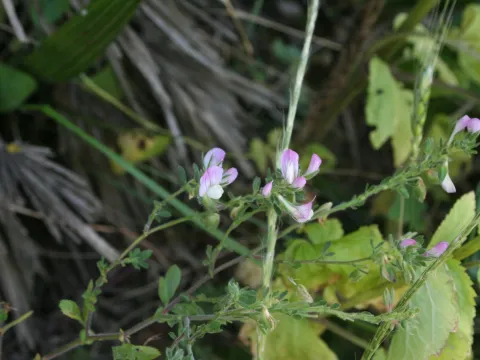
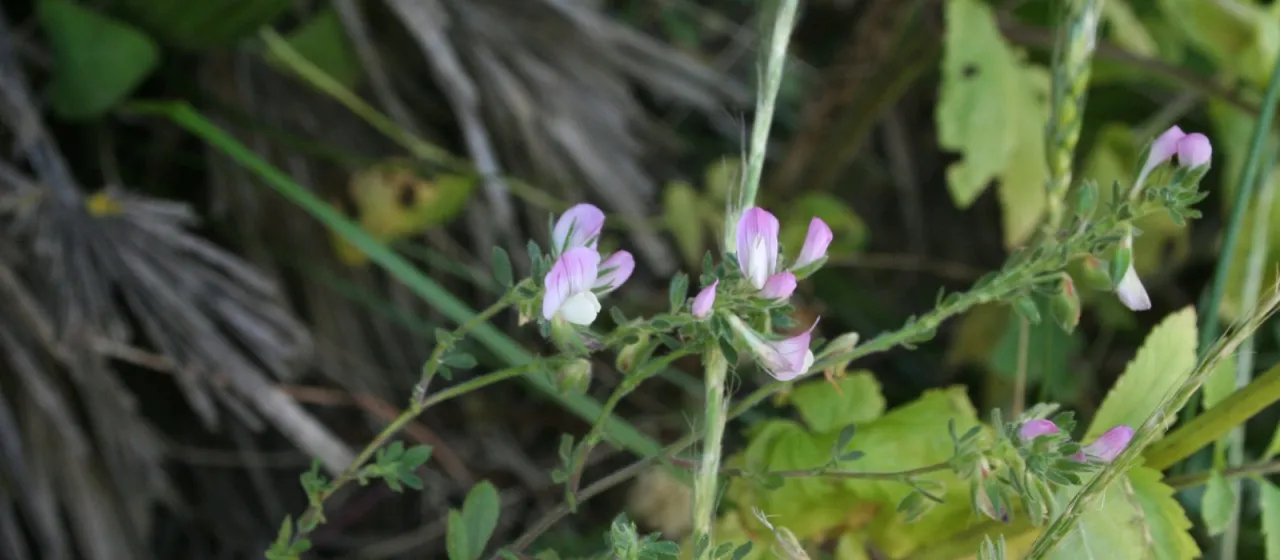
Botanically, Ononis hispida features a robust taproot system that reaches deep into the subsoil. Its stems are branched and covered in glandular hairs. The leaves are trifoliate, common for the genus. The flowers are typically pink or purple and grow in loose racemes, which are characteristic of the papilionaceous structure found in members of the legume family.
Successful cultivation requires well-draining soil, preferably with a neutral to alkaline pH level. The plant is highly sensitive to waterlogging, which can quickly lead to root rot. Standard agricultural practices involve shallow sowing in early spring and mechanical weed control during the establishment phase. Once the root system is established, the plant requires very little maintenance.
Economically, the crop is valued primarily for its pharmacological properties, as the root and foliage contain compounds used in traditional and modern herbal preparations for their diuretic effects. Additionally, it serves as a forage crop; however, due to its hairy and sometimes thorny texture, it is best harvested while young and tender to ensure digestibility for livestock.
- Strong drought tolerance
- Nitrogen-fixing capabilities
- Suitable for marginal and rocky soils
- Medicinal value in herbal medicine
- Low maintenance once established
Photo gallery